
Effective Job Application Tracker Software: How to Organize and Track Your Job Search Efficiently
In today’s competitive job market, effectively managing your job applications is crucial for success. A job application tracker is a powerful tool that helps job seekers organize their applications, monitor progress, and streamline the job search process. This article will explore the importance of job application trackers, the various types available, and best practices for using them effectively. By understanding how to track job applications efficiently, you can enhance your job search organization and increase your chances of landing your desired position.
What Is a Job Application Tracker and Why Is It Essential?
A job application tracker is a system or tool designed to help job seekers manage their job applications efficiently. It allows users to record details about each application, including the job title, company name, application status, and follow-up dates. By utilizing a job application tracker, job seekers can stay organized and focused, ensuring they do not miss important deadlines or opportunities.
The essential benefit of a job application tracker lies in its ability to streamline the application process. It helps job seekers manage multiple applications simultaneously, providing a clear overview of their job search status. This organization reduces stress and enhances the likelihood of successful follow-ups, ultimately leading to better job search outcomes.
How Does a Job Application Tracker Help Job Seekers Manage Applications?
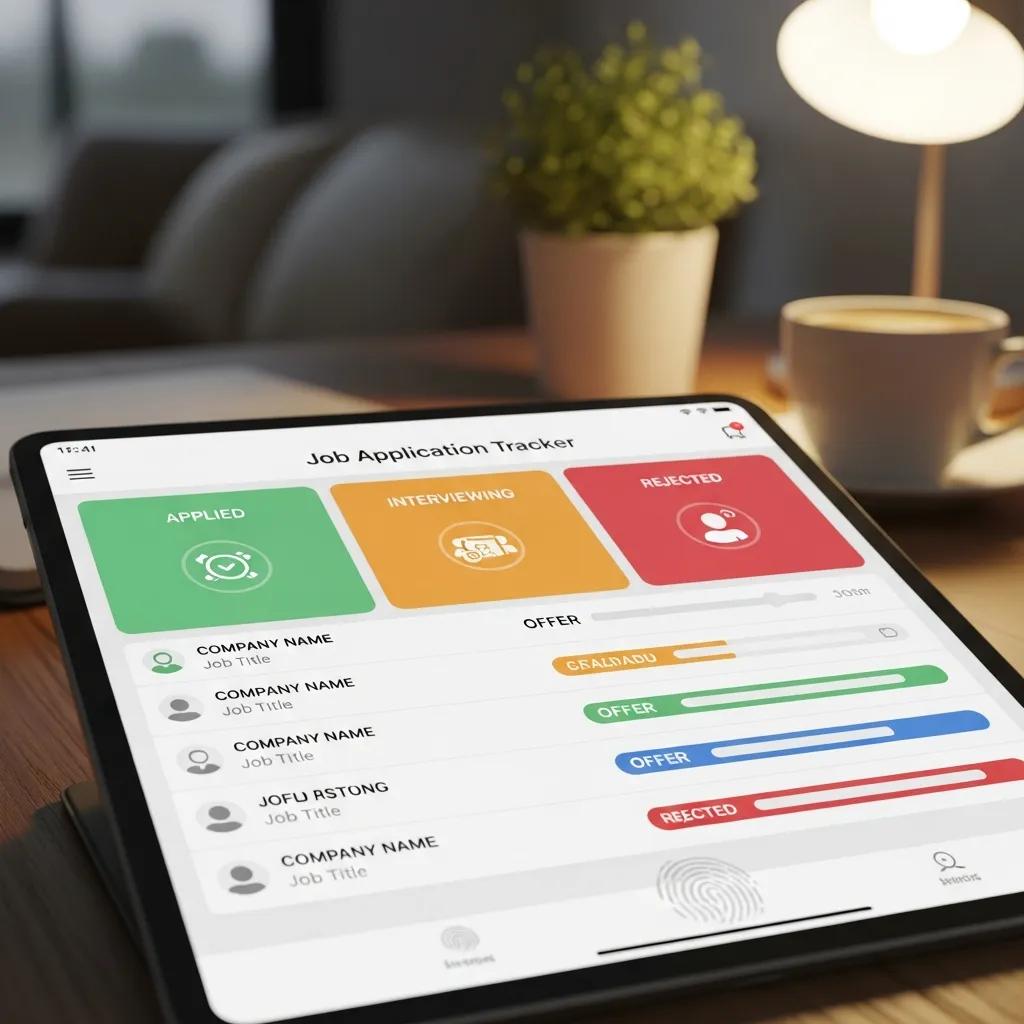
Job application trackers offer several benefits that significantly aid job seekers in managing their applications:
- Organizes Application Details: Trackers allow users to input and categorize essential information about each job application, making it easy to reference later.
- Tracks Application Status: Users can monitor the progress of their applications, noting whether they are under review, interviewed, or rejected.
- Facilitates Follow-Ups: By setting reminders for follow-ups, job seekers can ensure they maintain communication with potential employers, which is crucial for demonstrating interest.
These features collectively enhance the job search experience, making it more efficient and less overwhelming.
What Are the Key Entities Involved in Job Application Tracking?
Several key entities play a role in the job application tracking process:
- Job Seeker: The individual actively searching for employment opportunities.
- Recruitment Process: The series of steps involved in hiring, including application submission, interviews, and final selection.
- Application Status: The current state of a job application, which can include stages like “applied,” “interviewed,” or “rejected.”
Understanding these entities helps job seekers navigate the application process more effectively.
Which Types of Job Application Tracking Systems Are Available?
There are various types of job application tracking systems available, each catering to different preferences and needs.
How Do Spreadsheet-Based Trackers Compare to Dedicated Software?
Spreadsheet-based trackers are a popular choice for many job seekers due to their cost-effectiveness and flexibility. They allow users to customize their tracking system according to their specific needs. However, dedicated job tracking software often provides more advanced features, such as automated reminders and analytics capabilities.
- Cost-Effectiveness: Spreadsheets are free or low-cost, making them accessible to everyone.
- Features of Dedicated Software: Dedicated tools often include features like integration with job boards and automated updates.
- User Experience Differences: While spreadsheets require manual updates, dedicated software can automate many processes, saving time and effort.
What Are the Benefits of Using Kanban Boards and CRM Tools for Job Search Organization?
Kanban boards and Customer Relationship Management (CRM) tools offer unique advantages for job seekers looking to organize their applications visually.
- Visual Organization of Applications: Kanban boards allow users to see their applications at a glance, moving them through different stages of the job search process.
- Enhanced Tracking of Application Stages: Users can easily track where each application stands, making it simpler to manage follow-ups.
- Integration with Other Tools: Many CRM tools can integrate with email and calendar applications, streamlining the job search process further.
These tools can significantly enhance job search organization, making it easier to manage multiple applications simultaneously.
How to Choose the Best Job Application Tracker Software for Your Needs?

Selecting the right job application tracker software is essential for maximizing your job search efficiency.
What Features Should You Look for in Job Application Tracker Software?
When evaluating job application tracker software, consider the following features:
- Customization Options: The ability to tailor the tracker to your specific needs can enhance usability.
- Automated Reminders: Look for software that can send reminders for follow-ups and deadlines.
- Analytics Capabilities: Some trackers offer insights into your job search performance, helping you identify areas for improvement.
These features can significantly impact your ability to manage your job applications effectively.
How Do Cost and Integration Capabilities Affect Your Choice?
Cost and integration capabilities are critical factors to consider when choosing job application tracker software.
- Budget Considerations: Determine how much you are willing to spend on tracking software, as prices can vary widely.
- Importance of Integration with Other Tools: Ensure that the software can integrate with your email and calendar applications for seamless management.
- Long-Term Value: Consider the potential return on investment in terms of time saved and improved job search outcomes.
By weighing these factors, you can make an informed decision that aligns with your job search goals.
What Are Best Practices for Organizing and Tracking Job Applications?
Implementing best practices for organizing and tracking job applications can enhance your job search efficiency.
How Can You Establish an Effective Job Application Workflow?
Creating a structured workflow for your job applications involves several key steps:
- Define Stages of the Application Process: Identify the stages your applications will go through, such as “applied,” “interviewed,” and “offer received.”
- Tools to Assist in Workflow: Utilize job application trackers or Kanban boards to visualize your workflow.
- Regular Updates and Reviews: Schedule regular check-ins to update your application status and adjust your strategy as needed.
This structured approach can help you stay organized and focused throughout your job search.
What Follow-Up Strategies and Metrics Improve Job Search Success?
Effective follow-up strategies and metrics can significantly enhance your job search success.
- Importance of Timely Follow-Ups: Following up promptly after interviews or applications shows your interest and professionalism.
- Metrics to Track Application Success: Keep track of metrics such as response rates and interview invitations to gauge the effectiveness of your applications.
- Adjusting Strategies Based on Feedback: Use feedback from interviews or rejections to refine your application materials and approach.
By implementing these strategies, you can improve your chances of securing job offers and advancing your career.
This comparison highlights the strengths and weaknesses of different job application tracking systems, helping you choose the best option for your needs.
| Tracking System Type | Key Features | Pros | Cons |
|---|---|---|---|
| Spreadsheet Trackers | Customizable fields, manual updates | Cost-effective, flexible | Time-consuming, requires manual input |
| Dedicated Software | Automated reminders, analytics | Streamlined process, user-friendly | May have subscription costs, less customizable |
| Kanban Boards | Visual tracking, easy updates | Intuitive layout, clear progress | May lack detailed analytics, requires setup |
For additional resources and a wider range of articles on career development and job search strategies, explore our blog.
