

Effective Upskilling & Reskilling for Career Growth – RecruitEye
In today’s rapidly evolving job market, the concepts of upskilling and reskilling have become essential for career advancement. Upskilling refers to enhancing existing skills, while reskilling involves learning new skills to transition into different roles. This article will explore the definitions, benefits, and strategies associated with upskilling and reskilling, providing insights into how these practices can significantly boost your career potential. Many professionals face challenges in keeping their skills relevant amidst technological advancements and shifting industry demands. By embracing upskilling and reskilling, individuals can not only secure their current positions but also open doors to new opportunities. We will delve into effective strategies, programs, and the importance of continuous learning in addressing the skills gap.
What Are Upskilling and Reskilling? Definitions and Key Benefits
Upskilling and reskilling are critical components of professional development in the modern workforce. Upskilling involves enhancing the skills that employees already possess, allowing them to perform their current jobs more effectively. This process often includes training in new technologies or methodologies relevant to their field. On the other hand, reskilling is the process of learning new skills to prepare for a different job or career path. This is particularly important in industries undergoing significant changes due to automation, digital transformation, and evolving market demands.
The benefits of these practices are manifold. They not only improve job performance but also increase job satisfaction and employee retention. Organizations that invest in upskilling and reskilling their workforce often see enhanced productivity and innovation, leading to a more competitive edge in the market.
How Does Upskilling Enhance Your Current Job Skills?
Upskilling enhances current job skills by providing employees with the latest knowledge and tools necessary to excel in their roles. For instance, professionals in tech fields may learn new programming languages or software applications, which can lead to improved efficiency and effectiveness in their work. This continuous improvement not only benefits the individual but also contributes to the overall success of the organization.
Moreover, upskilling can lead to greater job security, as employees who are equipped with the latest skills are more likely to be retained during organizational changes. The long-term career benefits include potential promotions and increased earning potential, making upskilling a valuable investment in one’s professional future.
Why Is Reskilling Important for Career Transitions?
Reskilling is crucial for individuals looking to transition into new careers, especially in a job market that is constantly evolving. As industries change, certain roles may become obsolete, while new opportunities arise that require different skill sets. For example, a manufacturing worker may need to learn digital skills to move into a tech-related position.
Statistics indicate that many workers will need to change careers multiple times throughout their lives due to technological advancements and shifts in market demand. Reskilling provides the necessary training to facilitate these transitions, ensuring that individuals remain employable and competitive. Successful career transitions often rely on effective reskilling programs that equip workers with the skills needed for new roles.
The critical role of continuous learning in navigating these career shifts and enhancing employability is further underscored by recent studies.
Impact of Lifelong Learning on Employability & Career Transitions
Lifelong learning programs have become essential in promoting employability and facilitating career transitions in dynamic labor markets. This study investigates how participation in continuous learning initiatives enhances individuals’ skills, adaptability, and professional mobility. Using a mixed-methods approach, data were collected from participants across multiple industries to assess skill acquisition, career progression, and perceived employability. Findings indicate that lifelong learning significantly improves technical and soft skills, fosters self-efficacy, and supports smoother transitions between careers. The study also highlights the role of lifelong learning in promoting social inclusion and addressing skill mismatches. Implications suggest that policymakers and organizations should prioritize accessible, high-quality lifelong learning programs to maximize workforce resilience and economic growth.
The Impact of Lifelong Learning Programs on Employability and Career Transitions, 2025
Which Reskilling Programs and Upskilling Strategies Drive Career Growth?
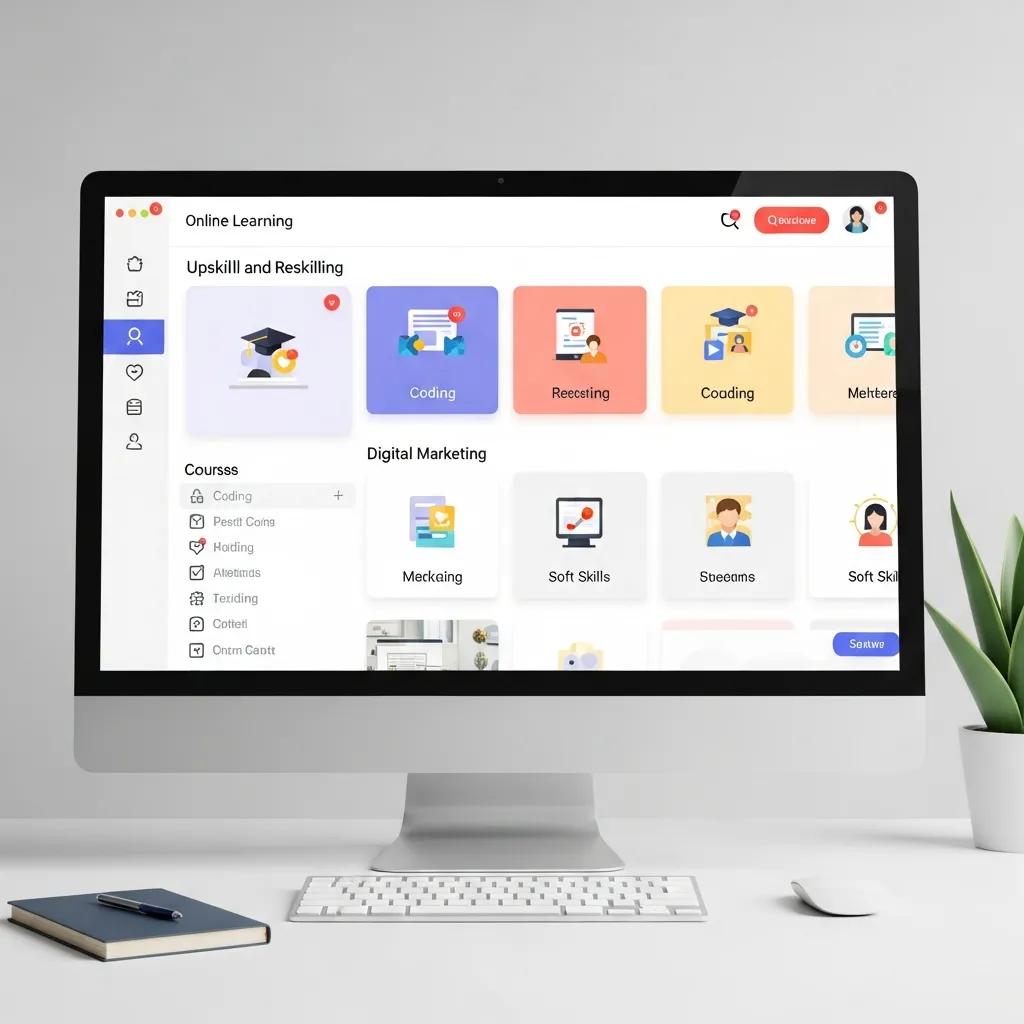
Identifying effective reskilling programs and upskilling strategies is essential for fostering career growth. Various programs are designed to meet the needs of different industries and skill levels.
- Online Courses: Platforms like Coursera and Udemy offer a wide range of courses that allow individuals to learn at their own pace, covering topics from technical skills to soft skills.
- Workshops and Bootcamps: Intensive training sessions can provide hands-on experience and practical knowledge in a short time frame, making them ideal for those looking to quickly acquire new skills.
- On-the-Job Training: Many organizations implement training programs that allow employees to learn while working, which can be particularly effective in applying new skills directly to their roles.
What Are Effective Upskilling Strategies for Digital and Soft Skills?
Effective upskilling strategies for digital and soft skills include a combination of formal education and experiential learning. Digital skills, such as data analysis and coding, can be enhanced through online courses and certifications. Meanwhile, soft skills like communication and teamwork can be developed through workshops and collaborative projects.
Organizations can also foster a culture of continuous learning by encouraging employees to pursue professional development opportunities and providing resources for skill enhancement. This approach not only benefits individual employees but also strengthens the organization as a whole.
Further emphasizing the importance of adapting to technological advancements, research highlights key strategies for workforce readiness in the digital age.
Digital Era Training: Strategies for Workforce Readiness
In the context of quick technological development, this qualitative research study focuses on training and development strategies in the digital age. Relying on secondary data analysis, it synthesises diverse sources such as literature, articles, websites, reports, and case studies. The research explores workforce readiness for digital transformation, emphasising key themes like adaptive learning, immersive technologies (virtual and augmented reality), and continuous learning. Uncovering challenges in accessibility, engagement, and resource allocation, the study offers valuable insights for organisations navigating the digital landscape. It provides a nuanced understanding of the shifts in workforce development, guiding practitioners with practical, data-driven recommendations. This research is valuable for organisations and practitioners aiming to equip their workforce with the essential skills for success in an ever-changing digital environment.
Further Professional On-the-Job Training of Employees in the Digital Era., S Barnová, 2022
How Do Reskilling Programs Support Career Changes and Industry Shifts?
Reskilling programs play a vital role in supporting career changes and adapting to industry shifts. These programs often focus on equipping individuals with the skills needed for emerging job roles, such as data science or digital marketing.
Successful reskilling initiatives typically include mentorship, hands-on training, and access to industry experts. Case studies have shown that individuals who participate in structured reskilling programs are more likely to secure new positions in their desired fields. By aligning training with market demands, these programs help bridge the gap between existing skills and the requirements of new roles.
How Can You Address the Skills Gap and Prepare for Future Skills Development?
Addressing the skills gap is essential for both individuals and organizations aiming to thrive in a competitive job market. The skills gap refers to the disparity between the skills that employers need and the skills that job seekers possess.
What Emerging Skills Are Essential for the Future Workforce?
- Data Literacy: The ability to interpret and analyze data is becoming increasingly important across various industries.
- Digital Marketing: As businesses shift online, skills in digital marketing strategies are crucial for reaching target audiences.
- Cybersecurity: With the rise of digital threats, knowledge in cybersecurity practices is essential for protecting organizational assets.
These skills not only enhance employability but also contribute to the overall growth of the economy by fostering innovation and efficiency.
How Does Continuous Learning Help Close the Skills Gap?
Continuous learning is a key strategy for closing the skills gap. By committing to lifelong learning, individuals can adapt to changing job requirements and technological advancements.
Organizations that promote continuous learning create an environment where employees feel empowered to develop their skills. This culture of learning can lead to increased job satisfaction and retention, as employees are more likely to stay with companies that invest in their professional growth.
What Career Growth Strategies Maximize the Impact of Upskilling and Reskilling?
Maximizing the impact of upskilling and reskilling requires strategic planning and implementation. Career growth strategies should focus on aligning individual goals with organizational objectives.
- Mentorship Programs: Pairing employees with mentors can provide guidance and support as they navigate their career paths.
- Networking Opportunities: Encouraging employees to build professional networks can open doors to new opportunities and collaborations.
- Measuring ROI: Organizations should track the effectiveness of their upskilling and reskilling initiatives to ensure they are meeting their goals and providing value to employees.
How Do Mentorship and Networking Support Professional Advancement?

Mentorship and networking are critical components of professional advancement. Mentors can offer valuable insights and advice based on their experiences, helping mentees navigate challenges and make informed career decisions.
Networking allows individuals to connect with industry professionals, share knowledge, and explore potential job opportunities. Building a strong professional network can lead to collaborations, partnerships, and even job offers, making it an essential strategy for career growth.
What Role Does Measuring ROI Play in Career Development?
Measuring the return on investment (ROI) of upskilling and reskilling initiatives is vital for understanding their impact on career development. Organizations should assess the effectiveness of their training programs by evaluating employee performance, retention rates, and overall productivity.
By analyzing these metrics, companies can identify successful strategies and areas for improvement, ensuring that their investment in employee development yields positive results. This data-driven approach not only enhances the effectiveness of training programs but also demonstrates the value of continuous learning to stakeholders.
| Program Type | Focus Area | Key Benefits |
|---|---|---|
| Online Courses | Digital Skills | Flexible learning, wide range of topics |
| Workshops | Soft Skills | Hands-on experience, immediate application |
| On-the-Job Training | Practical Skills | Real-world experience, direct relevance |
This table illustrates the various types of reskilling and upskilling programs available, highlighting their focus areas and key benefits. By understanding these options, individuals can make informed decisions about their professional development paths.
In conclusion, upskilling and reskilling are essential strategies for navigating the complexities of the modern job market. By investing in continuous learning and embracing new skills, individuals can enhance their career potential and adapt to the ever-changing landscape of work.
