
Entry-Level Job Search Strategies for New Graduates | RecruitEye, LLC
Entering the job market as a new graduate can be both exciting and daunting. Many graduates face challenges such as crafting the perfect resume, preparing for interviews, and building a professional network. This article provides essential guidance on navigating the first job search, focusing on effective strategies and skills that can help new graduates stand out. By understanding how to create a compelling resume, prepare for interviews, and develop a strong network, graduates can significantly enhance their chances of landing entry-level jobs. We will explore key elements of resume writing, interview preparation tips, networking strategies, and essential skills for career success.
How Can New Graduates Craft an Effective Resume to Land Entry-Level Jobs?
Crafting an effective resume is crucial for new graduates aiming to secure entry-level positions. A well-structured resume not only highlights relevant skills and experiences but also captures the attention of hiring managers. Key elements include clear formatting, concise language, and the inclusion of specific achievements. Understanding how to optimize a resume for Applicant Tracking Systems (ATS) is also essential, as many companies use these systems to filter applications. By focusing on these aspects, graduates can create a resume that stands out in a competitive job market.
What Are the Key Elements of a Resume for New Graduates?
New graduates should focus on several key elements when crafting their resumes:
- Contact Information: Include your name, phone number, email address, and LinkedIn profile.
- Education: List your degree, major, graduation date, and any relevant coursework or honors.
- Relevant Experience: Highlight internships, part-time jobs, or volunteer work that relates to the position you are applying for.
By ensuring these elements are clearly presented, graduates can effectively communicate their qualifications to potential employers.
How to Optimize Your Resume for Applicant Tracking Systems?
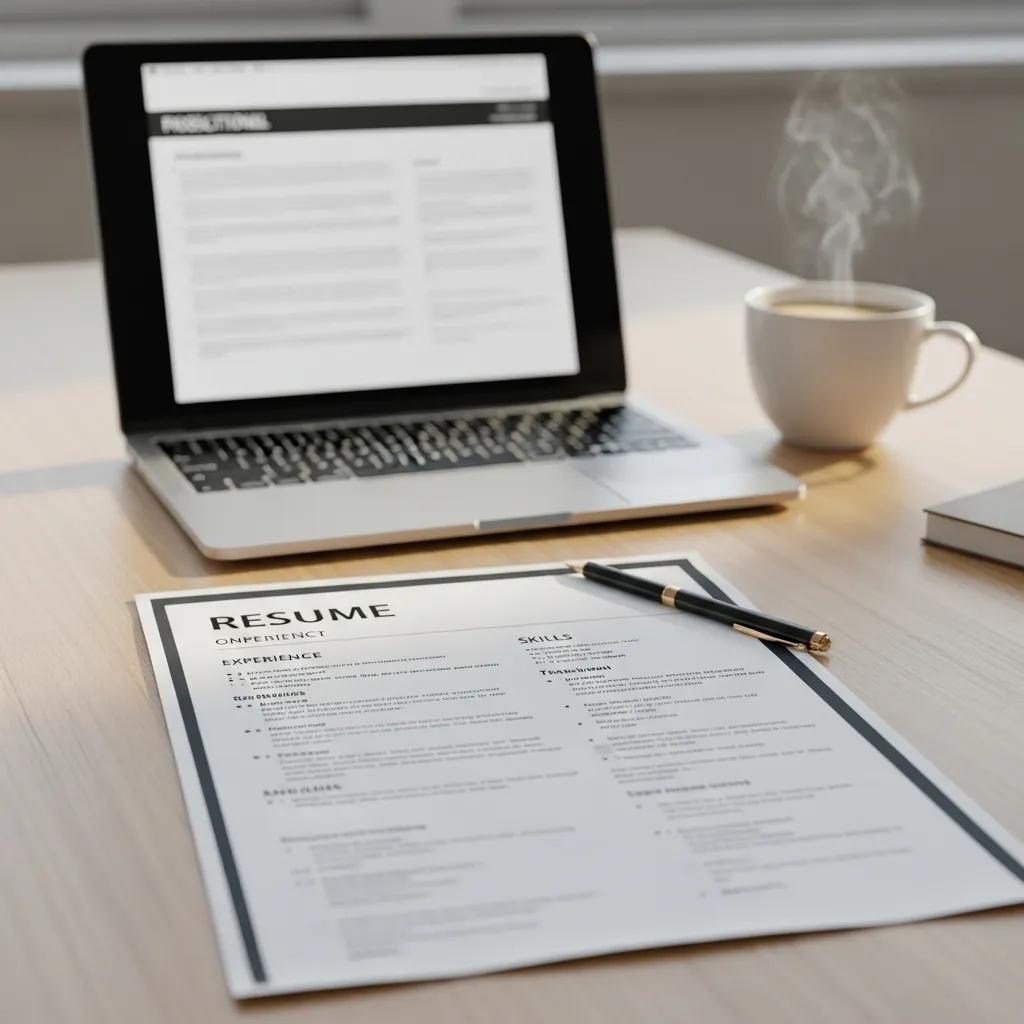
To enhance the chances of passing through ATS, graduates should consider the following optimization techniques:
- Use Keywords: Incorporate relevant keywords from the job description to align your resume with the employer’s requirements.
- Simple Formatting: Avoid complex layouts and graphics that may confuse the ATS; stick to standard fonts and bullet points.
- Tailor Each Application: Customize your resume for each job application to reflect the specific skills and experiences that match the job description.
Research further emphasizes how Applicant Tracking Systems have revolutionized resume optimization, making keywords an indispensable element for matching resumes with job descriptions.
Resume Optimization for ATS: Essential Keywords
applicant tracking systems (ATS) revolutionized resume optimization practices. Keywords became essential for matching resumes with job descriptions, while ATS software
Resume Optimization Model Using Machine Learning Techniques, C Onukwugha, 2024
These strategies can significantly improve the visibility of a resume in the hiring process.
What Are the Best Entry-Level Interview Tips for Recent Graduates?
Preparing for interviews is a critical step for new graduates. Understanding common interview questions and effective strategies can help alleviate anxiety and boost confidence. Graduates should focus on practicing responses to typical questions, researching the company, and preparing thoughtful questions to ask the interviewer. Additionally, mastering both virtual and in-person interview formats is essential in today’s job market.
How to Prepare for Common Entry-Level Interview Questions?
Common entry-level interview questions often include:
- Tell me about yourself: Prepare a brief summary of your background, education, and career goals.
- What are your strengths and weaknesses?: Be honest and provide examples that demonstrate self-awareness and growth.
- Why do you want to work here?: Research the company and articulate how your values align with its mission.
Practicing these responses can help graduates feel more prepared and confident during interviews.
What Are Effective Strategies for Virtual and In-Person Interviews?
Graduates should consider the following strategies for both virtual and in-person interviews:
- Virtual Interview Setup: Ensure a quiet, well-lit space with a reliable internet connection. Test your technology beforehand.
- In-Person Etiquette: Dress professionally, arrive early, and greet your interviewer with a firm handshake or a polite greeting and a smile (note: handshakes may vary by culture and current health guidelines).
- Post-Interview Follow-Up: Send a thank-you email expressing appreciation for the opportunity and reiterating your interest in the position.
These strategies can enhance the overall interview experience and leave a positive impression on potential employers.
How Can Recent Graduates Build a Strong Professional Network?
Building a professional network is essential for new graduates seeking job opportunities. Networking can lead to valuable connections, mentorship, and job referrals. Graduates should actively engage in networking activities, both online and offline, to expand their professional circles. Understanding effective networking strategies can help graduates make meaningful connections that support their career goals.
What Networking Strategies Work Best for New Graduates?

Effective networking strategies for new graduates include:
- Attend Networking Events: Participate in industry conferences, job fairs, and alumni events to meet professionals in your field.
- Informational Interviews: Reach out to professionals for informational interviews to learn about their career paths and gain insights into the industry.
- Online Networking: Utilize platforms like LinkedIn to connect with industry professionals and join relevant groups.
By employing these strategies, graduates can build a robust professional network that may lead to job opportunities.
How to Leverage LinkedIn and Alumni Connections for Job Opportunities?
LinkedIn and alumni networks are powerful tools for job seekers. Graduates can enhance their LinkedIn profiles by:
- Optimizing Their Profile: Use a professional photo, write a compelling summary, and highlight relevant skills and experiences.
- Connecting with Alumni: Reach out to alumni from their university who work in their desired field for advice and potential job leads.
- Engaging with Content: Share articles, comment on posts, and participate in discussions to increase visibility within their network.
The importance of developing a professional online presence, especially on platforms like LinkedIn, is increasingly recognized as crucial for students entering the workforce.
LinkedIn for Graduates: Building Professional Online Presence
With employers relying on online searches when evaluating job candidates, development of a professional online presence has become more important yet potentially a challenge for students preparing to enter the workplace. LinkedIn, a globally recognised networking site, enables individuals to interact within a professional environment.
LinkedIn to Get In: embedding learning activities to support student career development through online professional networking, 2026
Leveraging these connections can open doors to job opportunities and valuable insights.
Which Essential Entry-Level Skills Should New Graduates Develop for Career Success?
Developing essential skills is vital for new graduates aiming for career success. Employers often seek candidates who possess a combination of technical and soft skills. By focusing on skill development, graduates can enhance their employability and adaptability in the workplace.
What Soft Skills Are Most Valued by Employers for Entry-Level Roles?
Soft skills are increasingly important in the workplace. Key soft skills valued by employers include:
- Communication: The ability to convey information clearly and effectively, both verbally and in writing.
- Teamwork: Collaborating with others to achieve common goals and contribute to a positive work environment.
- Problem-Solving: The capacity to analyze situations, identify challenges, and develop effective solutions.
These skills can significantly impact a graduate’s ability to succeed in their first job and beyond.
How to Build Digital Literacy and Emerging Skills Like AI Competency?
In today’s digital age, building digital literacy is essential. Graduates should focus on:
- Familiarizing with Digital Tools: Learn to use common software applications and platforms relevant to their field.
- Understanding AI and Automation: Stay informed about emerging technologies and their implications for the industry.
- Pursuing Online Courses: Take advantage of online learning platforms to enhance skills in areas such as data analysis, coding, or digital marketing.
By developing these competencies, graduates can position themselves as valuable assets in the job market.
