
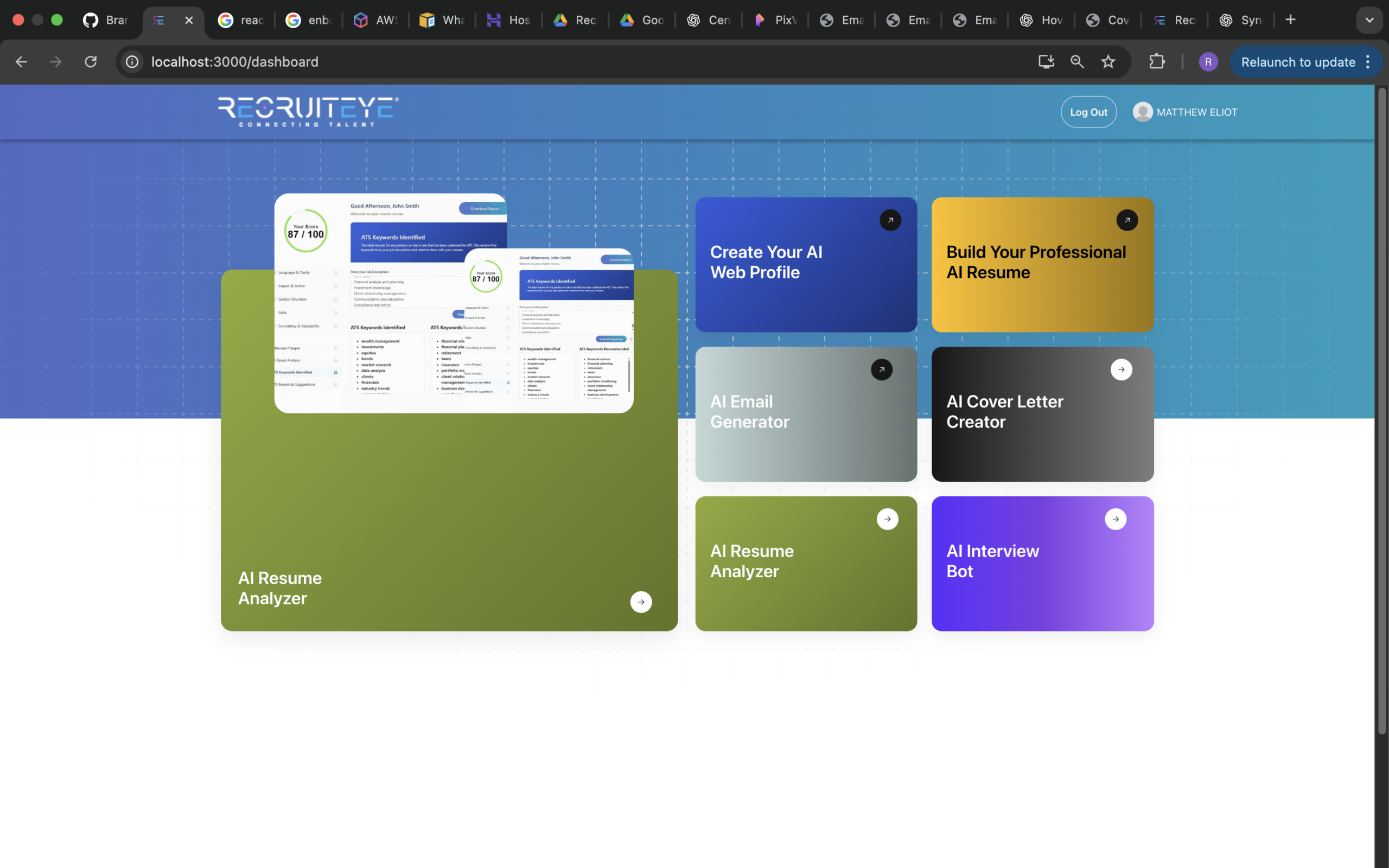
Optimizing the Skills Section on Your Resume: How to Showcase Hard and Soft Skills Effectively
The skills section of your resume is a critical component that can significantly influence your chances of landing an interview. This section not only highlights your qualifications but also demonstrates your suitability for the job. In this article, we will explore how to effectively optimize the skills section of your resume, focusing on both hard and soft skills. Many job seekers struggle to present their skills in a way that resonates with recruiters and applicant tracking systems (ATS). By understanding the importance of this section and learning how to tailor it to specific job descriptions, you can enhance your resume’s impact. We will cover the definition and significance of the skills section, how to identify relevant skills, tips for making your resume ATS-friendly, and strategies for customizing your skills to match job requirements.
What Is the Resume Skills Section and Why Is It Important?
The skills section of a resume is a dedicated area where candidates list their relevant abilities and competencies. This section serves as a quick reference for recruiters to assess whether a candidate possesses the necessary qualifications for a position. A well-crafted skills section can make a significant difference in how your resume is perceived, especially in a competitive job market.
Indeed, the increasing complexity of the job market underscores the paramount need for effective resume optimization to facilitate better matches between candidates and job requirements.
Machine Learning for Resume Optimization & Job Matching
of resumes, the need for effective resume optimization has become paramount. Resumes serve by facilitating better matches between candidates’ qualifications and job requirements.
Resume Optimization Model Using Machine Learning Techniques, C Onukwugha, 2024
Definition and Purpose of the Skills Section
The skills section typically includes both hard skills, which are specific, teachable abilities, and soft skills, which are interpersonal attributes. For example, hard skills might include proficiency in software programs or technical expertise, while soft skills could encompass communication and teamwork abilities. The primary purpose of this section is to provide a snapshot of your qualifications, making it easier for recruiters to identify candidates who meet their criteria.
How Recruiters and ATS Use the Skills Section
Recruiters and ATS utilize the skills section to filter candidates based on keyword matches. Research indicates that approximately 98% of large companies use ATS to screen resumes, making it essential to include relevant keywords from the job description. Recruiters often prioritize candidates whose resumes reflect the skills they are seeking, which underscores the importance of tailoring your skills section to each application.
To further enhance ATS compatibility and ensure all relevant keywords are included, many job seekers leverage resume optimization tools.
Resume Optimization Tools: Identify Skill Gaps & Keywords
and comparing them with resumes, optimization identifies gaps in skills, keywords, and to present their qualifications effectively. Furthermore, resume optimization tools often provide
Resume Optimization Tool for Job Seekers, 2025
How to Identify and List Relevant Hard and Soft Skills on Your Resume
Identifying the right skills to include on your resume involves a strategic approach. It is crucial to analyze job descriptions and understand the specific skills that employers are looking for.
What Are Hard Skills and Which Should You Include?
Hard skills are quantifiable abilities that can be measured and tested. Examples include programming languages, data analysis, and project management. When selecting hard skills to include, focus on those that are directly relevant to the job you are applying for. For instance, if the job requires knowledge of a specific software, ensure that you list it prominently in your skills section.
What Are Soft Skills and How to Highlight Them?

Soft skills refer to personal attributes that enable someone to interact effectively and harmoniously with others. These include skills such as leadership, communication, and problem-solving. To highlight soft skills on your resume, consider providing examples of how you have demonstrated these abilities in previous roles. For instance, you might mention a time when your communication skills helped resolve a conflict within a team.
How to Make Your Resume Skills Section ATS Friendly
To ensure your resume is ATS-friendly, it is essential to follow specific formatting and keyword strategies.
Which Keywords and Formatting Improve ATS Compatibility?
Using the right keywords is crucial for ATS compatibility. Start by carefully reading the job description and identifying key terms related to skills. Incorporate these keywords naturally into your skills section. Additionally, use a simple format without excessive graphics or unusual fonts, as ATS may struggle to read complex layouts.
Common ATS Mistakes to Avoid in the Skills Section
Common mistakes that can hinder ATS compatibility include keyword stuffing, using vague terms, and failing to align your skills with the job description. Avoid listing skills that are not relevant to the position, as this can dilute the effectiveness of your resume. Instead, focus on a concise list of skills that directly relate to the job you are applying for.
What Are Effective Strategies to Tailor Your Skills Section to Any Job Description?
Tailoring your skills section to match job descriptions is a vital strategy for increasing your chances of being noticed by recruiters.
How to Analyze Job Descriptions for Skill Requirements
Begin by carefully analyzing job descriptions to identify the skills that are frequently mentioned. Look for both hard and soft skills that are emphasized. Create a list of these skills and compare them with your own abilities to determine which ones to highlight in your resume.
How to Quantify and Present Skills for Maximum Impact
Quantifying your skills can significantly enhance their impact. For example, instead of simply stating that you have project management skills, you could say, “Managed a team of 10 to successfully complete a project ahead of schedule, resulting in a 20% increase in efficiency.” This approach not only highlights your skills but also provides concrete evidence of your capabilities.
| Skill Type | Examples | Importance |
|---|---|---|
| Hard Skills | Data Analysis, Programming, Project Management | Essential for technical roles |
| Soft Skills | Communication, Teamwork, Problem-Solving | Crucial for collaboration and leadership |
| Transferable Skills | Time Management, Adaptability, Critical Thinking | Valuable across various industries |
This table illustrates the different types of skills that can be included in your resume, emphasizing the importance of both hard and soft skills in various job contexts.
In summary, optimizing the skills section of your resume is essential for making a strong impression on recruiters and ATS. By carefully selecting and presenting your hard and soft skills, you can enhance your chances of landing an interview and ultimately securing the job you desire.
For more valuable insights and comprehensive guides on career development and resume optimization, visit our blog.
