
Top AI Prompts for ATS-Friendly Cover Letters – RecruitEye, LLC
In today’s competitive job market, crafting a compelling cover letter is essential for standing out to potential employers. This article explores the best AI prompts for generating effective cover letters, focusing on how to create personalized and ATS-friendly applications. Readers will learn how AI can enhance the writing process, making it more efficient and tailored to specific job requirements. Many job seekers struggle with articulating their skills and experiences in a way that resonates with recruiters. By leveraging AI prompts, applicants can produce cover letters that not only capture attention but also align with Applicant Tracking Systems (ATS). This guide will cover the significance of AI prompts, effective prompts for different cover letter sections, advanced techniques for using AI, and ethical considerations when utilizing AI in job applications.
What Are AI Cover Letter Prompts and Why Are They Essential?
AI cover letter prompts are predefined suggestions generated by AI tools to assist job seekers in crafting personalized cover letters. These prompts are essential because they streamline the writing process, allowing applicants to focus on their unique experiences while ensuring that their letters are tailored to specific job descriptions. By using AI prompts, candidates can enhance the personalization of their cover letters, making them more relevant to the positions they are applying for.
How Do AI Prompts Enhance Cover Letter Personalization and Efficiency?
AI prompts significantly improve cover letter personalization by providing tailored suggestions based on the job description and the applicant’s background. For instance, an AI writing assistant can analyze the job requirements and suggest phrases that highlight relevant skills and experiences. This not only saves time but also ensures that the cover letter resonates with the recruiter. Additionally, AI prompts can help applicants articulate their achievements more effectively, making their applications stand out in a crowded job market.
What Role Do AI Prompts Play in ATS Compatibility and Recruiter Appeal?
AI prompts play a crucial role in ensuring that cover letters are compatible with Applicant Tracking Systems (ATS). These systems often scan applications for specific keywords and phrases that match the job description. By using AI-generated prompts, applicants can incorporate these keywords naturally into their cover letters, increasing the likelihood of passing the initial screening. Moreover, a well-structured cover letter that follows ATS guidelines is more likely to appeal to recruiters, as it demonstrates the candidate’s understanding of the application process.
Which AI Prompts Work Best for Each Cover Letter Section?
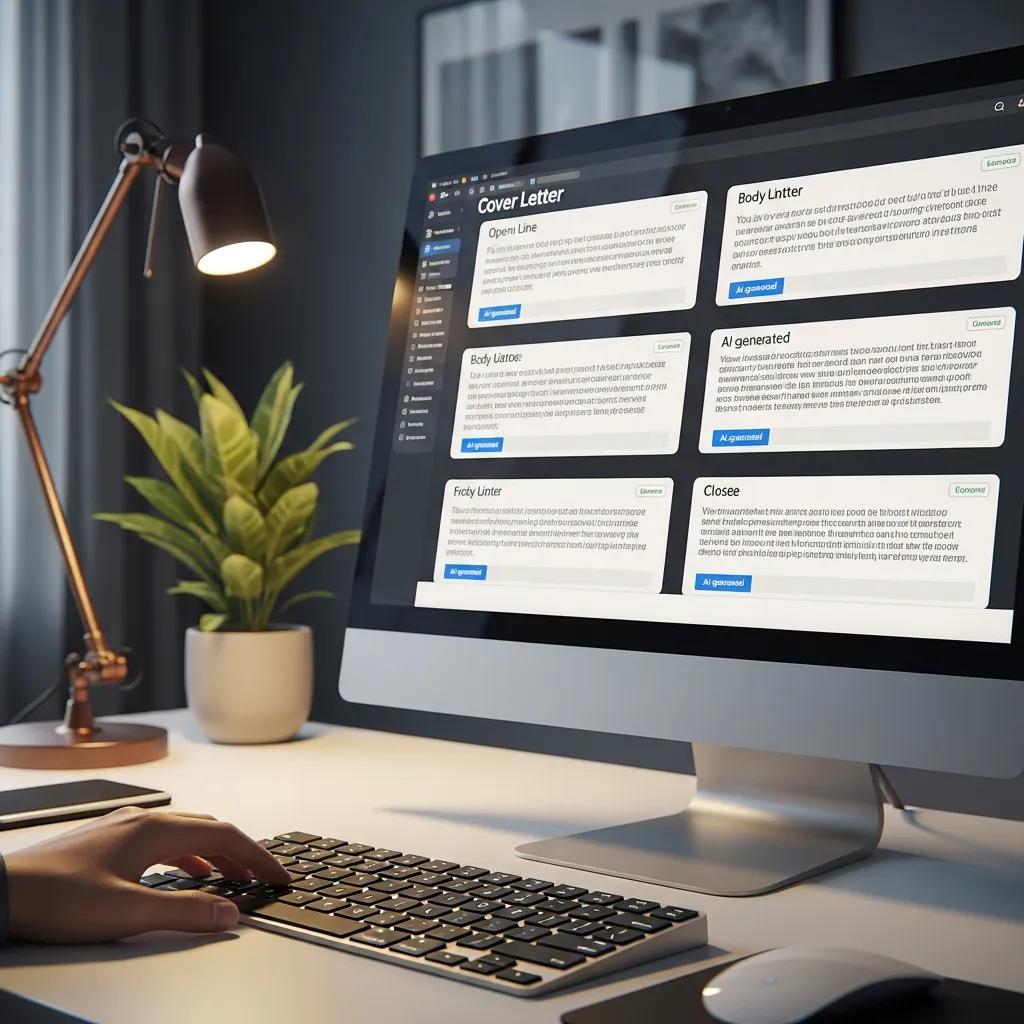
When crafting a cover letter, different sections require distinct approaches.
Here are some effective AI prompts tailored for each section of a cover letter.
- Opening Prompts:”What motivated you to apply for this position?””How does your background align with the company’s mission?””What unique perspective do you bring to this role?”
- Body Prompts:”Describe a specific achievement that demonstrates your skills.””How have you contributed to team success in previous roles?””What skills make you a strong candidate for this position?”
- Closing Prompts:”What are your career goals, and how does this position fit into them?””Why do you want to work for this company specifically?””What can you bring to the team that others may not?”
What Are Effective Opening Prompts to Grab Recruiter Attention?
The opening of a cover letter is critical for capturing a recruiter’s attention. Effective opening prompts can set the tone for the rest of the letter. For example, prompts like “What motivated you to apply for this position?” encourage candidates to express their enthusiasm and connection to the role. Another effective prompt is “How does your background align with the company’s mission?” which helps applicants demonstrate their understanding of the company’s values and goals.
How to Use AI Prompts for Skills Matching and Quantifying Achievements?
AI prompts can also assist in matching skills to job requirements and quantifying achievements. For instance, using the STAR method (Situation, Task, Action, Result) can help candidates structure their responses effectively. A prompt like “Describe a specific achievement that demonstrates your skills” encourages applicants to provide concrete examples of their contributions. This approach not only highlights relevant skills but also quantifies achievements, making the application more compelling.
How Can Advanced AI Prompt Techniques Improve Your Cover Letter?
Advanced AI prompt techniques can further enhance the effectiveness of cover letters. These techniques include iterative prompting and persona-based prompting, which allow for more tailored content creation.
Mastering prompt engineering is crucial for optimizing AI outputs, ensuring that the generated content is precise, actionable, and aligned with specific objectives.
Effective Prompt Engineering for AI Responses
This chapter explores key techniques for effective prompt engineering, categorising methods into basic, advanced, and professional levels. These strategies emphasise optimising prompt clarity, contextual relevance, and structural coherence to achieve precise, actionable, and creative AI responses. By systematically applying these techniques, users can harness AI’s potential across diverse applications, ensuring outputs that align with specific objectives and user intent.
Key Techniques for Writing Effective Prompts, 2025
What Is Iterative and Persona-Based Prompting for Tailored Content?
Iterative prompting involves refining prompts based on previous responses, allowing for a more personalized approach. For example, if an applicant provides a general statement about their experience, the AI can prompt them to elaborate further, leading to a more detailed and specific cover letter. Persona-based prompting, on the other hand, tailors suggestions based on the applicant’s professional persona, ensuring that the tone and style align with their career goals.
How to Adjust Tone and Style Using AI Prompts?
Adjusting the tone and style of a cover letter is crucial for matching the company culture. AI prompts can help applicants find the right balance between professionalism and personality. For instance, prompts like “What tone do you want to convey in your cover letter?” can guide candidates in selecting an appropriate style. Additionally, AI can suggest variations in language to match the desired tone, whether it be formal, friendly, or assertive.
What Are Ethical Considerations When Using AI for Cover Letters?
While AI can significantly enhance the cover letter writing process, ethical considerations must be taken into account. It’s essential to maintain authenticity and transparency when using AI-generated content.
Further research delves into the specific benefits and ethical implications of using advanced AI models like GPT-3 for cover letter generation.
GPT-3 AI Cover Letter Generation: Benefits & Ethics
This study conducts in depth analysis on using the advanced natural language processing systems using Generative Pre-trained Transformer 3 (GPT-3) in AI cover letter generator, additionally; the paper discusses the ethical implications of using GPT-3-based AI cover letter generators in the job application process, as well as the potential benefits and drawbacks of using GPT-3-based AI cover letter generators for job applicants.
GPT-3-
Based AI Cover Letter Generator: A Feasibility Study & Implementation, TA Bloch, 2024
How to Maintain Authenticity and Avoid AI Hallucinations?
Maintaining authenticity is crucial when using AI for cover letters. Candidates should ensure that the content reflects their true experiences and voice. To avoid AI hallucinations—where the AI generates inaccurate or misleading information—applicants should review and edit the AI-generated content carefully. This ensures that the final product is both accurate and representative of the applicant’s qualifications.
When and How Should You Disclose AI Assistance in Job Applications?
Disclosing AI assistance in job applications can be a sensitive topic. Candidates should consider mentioning their use of AI tools if it significantly influenced the content of their cover letter. A simple statement like “I utilized AI tools to help structure my cover letter” can provide transparency without undermining the applicant’s qualifications. However, this disclosure should be made judiciously, ensuring that it does not detract from the overall message of the application.
| Prompt Type | Example Prompt | Purpose |
|---|---|---|
| Opening | “What motivated you to apply for this position?” | To capture the recruiter’s attention and express enthusiasm. |
| Body | “Describe a specific achievement that demonstrates your skills.” | To highlight relevant skills and quantify achievements. |
| Closing | “What can you bring to the team that others may not?” | To emphasize unique contributions and fit for the role. |
This table illustrates the effectiveness of different AI prompts in crafting a compelling cover letter. By utilizing these prompts, candidates can enhance their applications and improve their chances of securing an interview.
In conclusion, leveraging AI prompts for generating effective cover letters can significantly enhance the personalization and efficiency of the application process. By understanding the role of AI in crafting tailored content, job seekers can create cover letters that resonate with recruiters and align with ATS requirements. As the job market continues to evolve, embracing AI tools will be increasingly important for candidates looking to stand out in their applications.
