
Master the STAR Method for Behavioral Interviews | RecruitEye, LLC
The STAR method is a powerful technique that helps candidates effectively respond to behavioral interview questions by structuring their answers in a clear and concise manner. This article will guide you through the STAR method, its components, and how to apply it to ace your next interview. Many job seekers struggle with articulating their experiences in a way that resonates with interviewers, often leading to missed opportunities. The STAR method provides a structured approach to showcase your skills and experiences effectively. We will explore the definition and importance of the STAR method, how to use it in interviews, effective examples, and tips to avoid common mistakes.
What Is the STAR Method and Why Is It Essential for Behavioral Interviews?
The STAR method is a structured approach to answering behavioral interview questions by outlining the Situation, Task, Action, and Result. This technique is essential because it allows candidates to present their experiences in a logical and compelling manner, making it easier for interviewers to understand their qualifications. By using the STAR method, candidates can effectively demonstrate their problem-solving abilities, leadership skills, and adaptability, which are crucial traits that employers seek.
What Are the Four Components of the STAR Method?
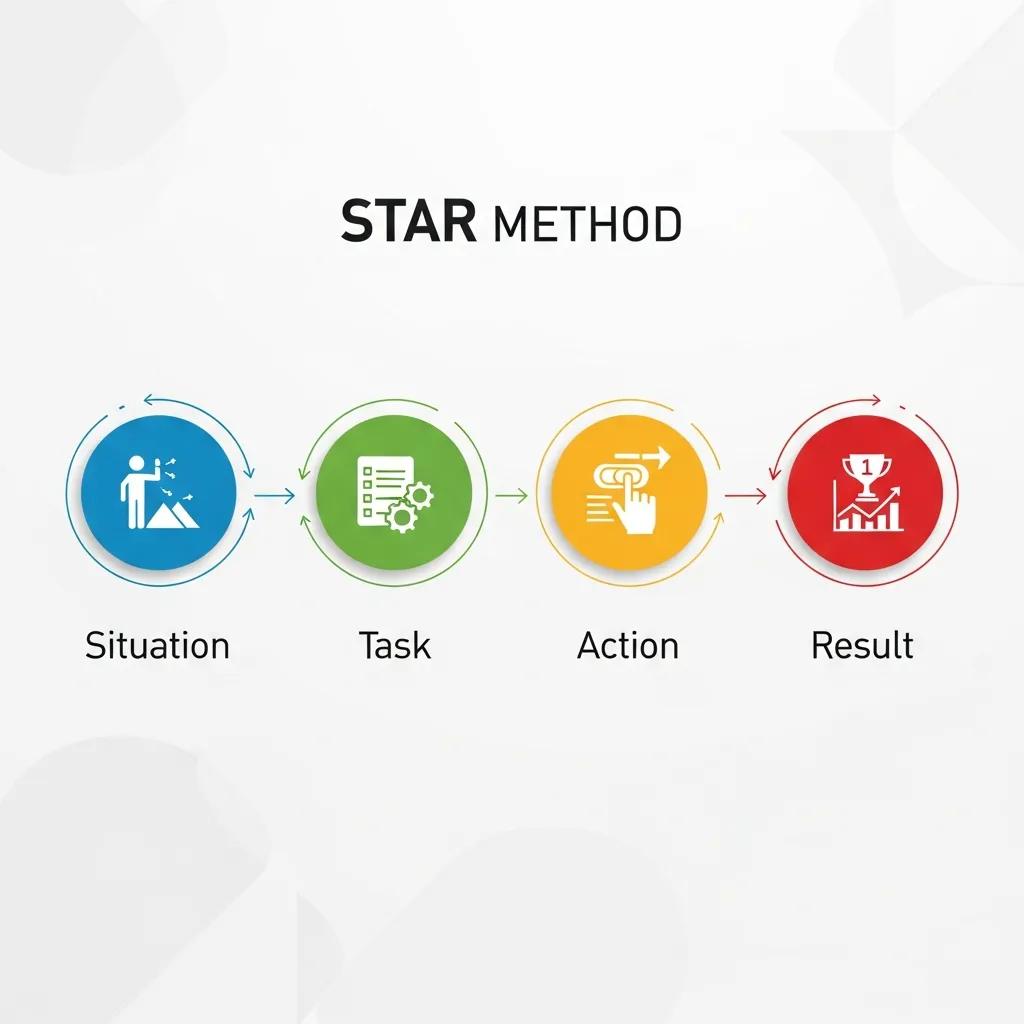
The STAR method consists of four key components:
- Situation: Describe the context within which you performed a task or faced a challenge. This sets the stage for your story.
- Task: Explain the specific task or challenge you were responsible for in that situation. This clarifies your role and responsibilities.
- Action: Detail the actions you took to address the task or challenge. This is where you showcase your skills and decision-making process.
- Result: Share the outcomes of your actions, including any measurable results or lessons learned. This demonstrates the impact of your contributions.
Understanding these components is crucial for crafting effective responses that resonate with interviewers.
Why Do Job Seekers and Interviewers Prefer the STAR Technique?
Job seekers and interviewers favor the STAR technique for several reasons. For candidates, it provides a clear framework to articulate their experiences, making it easier to recall relevant examples during interviews. For interviewers, the STAR method allows them to assess a candidate’s competencies and problem-solving abilities systematically. Research indicates that structured responses lead to more favorable evaluations, as they provide concrete evidence of a candidate’s skills and experiences.
How Do You Use the STAR Method to Answer Behavioral Interview Questions?
Using the STAR method effectively requires practice and preparation. By following a step-by-step approach, candidates can ensure they deliver compelling responses during interviews.
What Are the Step-by-Step Actions to Apply the STAR Method?
To apply the STAR method, follow these steps:
- Identify Relevant Experiences: Reflect on your past experiences and identify situations that demonstrate your skills and competencies.
- Structure Your Response: Use the STAR framework to organize your thoughts. Start with the Situation, then move to the Task, Action, and finally the Result.
- Practice Your Responses: Rehearse your answers to common behavioral questions using the STAR method. This will help you articulate your experiences confidently during the interview.
- Be Concise: Keep your responses focused and relevant. Aim for clarity and avoid unnecessary details that may detract from your main points.
By following these steps, candidates can effectively utilize the STAR method to enhance their interview performance.
How Can You Tailor STAR Responses to Different Job Roles and Industries?

Tailoring your STAR responses to specific job roles and industries is essential for demonstrating your fit for the position. Consider the following strategies:
- Research the Role: Understand the key competencies and skills required for the job. This will help you select relevant experiences to highlight.
- Use Industry-Specific Language: Incorporate terminology and examples that resonate with the industry. This shows your familiarity with the field and enhances your credibility.
- Focus on Relevant Skills: Emphasize skills that align with the job description, such as teamwork, leadership, or problem-solving, to make your responses more impactful.
By customizing your STAR responses, you can effectively showcase your qualifications and increase your chances of success in the interview.
What Are Effective STAR Method Examples for Common Behavioral Interview Questions?
Providing concrete examples of STAR responses can help candidates understand how to apply the method effectively in various scenarios.
How to Structure STAR Answers for Leadership and Teamwork Questions?
When answering leadership and teamwork questions, structure your STAR response as follows:
- Situation: Describe a team project where you played a leadership role.
- Task: Explain your responsibilities in guiding the team toward a common goal.
- Action: Detail the specific actions you took to motivate team members and facilitate collaboration.
- Result: Share the outcome of the project, highlighting any successes or lessons learned.
For instance, you might say, “In my previous role as a project manager, I led a team of five on a product launch (Situation). My task was to ensure that we met our deadlines while maintaining quality (Task). I implemented weekly check-ins and encouraged open communication to address any challenges (Action). As a result, we launched the product two weeks ahead of schedule, which increased our market share by 15% (Result).”
What Are STAR Examples Demonstrating Problem-Solving and Conflict Resolution?
When addressing problem-solving and conflict resolution, your STAR response should focus on a specific challenge you faced. For example:
- Situation: Describe a conflict that arose within your team.
- Task: Explain your role in resolving the issue.
- Action: Detail the steps you took to mediate the conflict and find a solution.
- Result: Share the positive outcome, such as improved team dynamics or project success.
An example response could be, “During a project, two team members had a disagreement over the direction of our strategy (Situation). As the team lead, it was my responsibility to mediate the conflict (Task). I facilitated a meeting where both parties could express their concerns and collaboratively brainstorm solutions (Action). This led to a revised strategy that incorporated both perspectives, resulting in a more cohesive team and a successful project outcome (Result).”
What Tips and Common Mistakes Should You Know to Ace STAR Interview Responses?
To excel in using the STAR method, it’s important to be aware of common pitfalls and best practices.
How to Quantify Results and Avoid Rambling in STAR Answers?
Quantifying results is crucial for demonstrating the impact of your actions. When crafting your STAR responses, consider the following tips:
- Use Specific Metrics: Whenever possible, include numbers or percentages to illustrate your achievements. For example, “I increased sales by 20% within six months.”
- Stay Focused: Avoid rambling by sticking to the STAR structure. Keep your responses concise and relevant to the question asked.
- Practice Brevity: Aim to deliver your STAR responses in about two minutes to maintain the interviewer’s attention.
By quantifying your results and staying focused, you can enhance the effectiveness of your STAR responses.
When Should You Consider Alternative Methods Like the PAR Technique?
While the STAR method is highly effective, there are situations where alternative techniques, such as the PAR (Problem, Action, Result) technique, may be more suitable. Consider using PAR when:
- The Question is Broad: If the interviewer asks a general question that doesn’t fit neatly into the STAR framework, PAR can provide a simpler structure.
- You Need to Emphasize Problem-Solving: If the focus is primarily on how you approached a specific problem, the PAR method allows you to highlight the problem directly before discussing your actions and results.
In summary, while the STAR method is a powerful tool for behavioral interviews, being adaptable and knowing when to use alternative methods can further enhance your interview performance.
