Chronological, Functional & Hybrid Resumes – RecruitEye, LLC
Selecting the right resume format is crucial for effectively showcasing your skills and experiences to potential employers. This article will guide you through the three primary resume formats: chronological, functional, and hybrid. Each format serves a unique purpose and can significantly impact your job search success. Understanding the differences between these formats will help you choose the one that best aligns with your career goals and personal circumstances. Many job seekers struggle with presenting their qualifications in a way that captures attention and meets the expectations of recruiters. By selecting the appropriate resume format, you can enhance your chances of landing interviews and ultimately securing a job. This article will cover the key differences between the formats, their ideal use cases, and how to optimize them for applicant tracking systems (ATS).
What Are the Key Differences Between Chronological, Functional, and Hybrid Resume Formats?
Understanding the distinctions between the chronological, functional, and hybrid resume formats is essential for making an informed choice. Each format has its unique structure and focus, catering to different career situations and job seeker profiles.
How Does a Chronological Resume Highlight Work History?
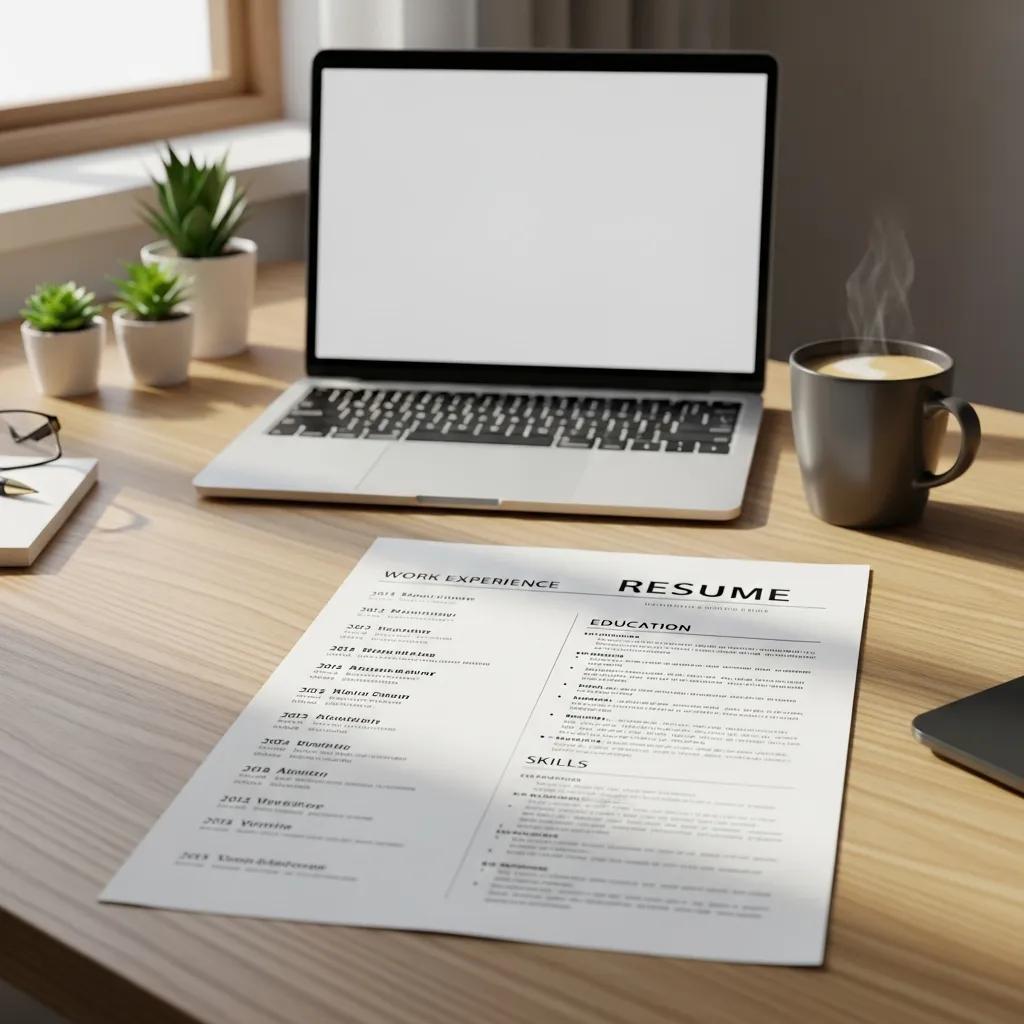
A chronological resume emphasizes your work history by listing your experiences in reverse chronological order. This format is particularly effective for individuals with a consistent career path, as it allows employers to see your most recent positions first. The structure typically includes sections for contact information, a summary statement, work experience, education, and skills. By showcasing your job titles, companies, and dates of employment, a chronological resume highlights your career progression and stability, making it an ideal choice for those with a solid work history.
What Skills Does a Functional Resume Emphasize?
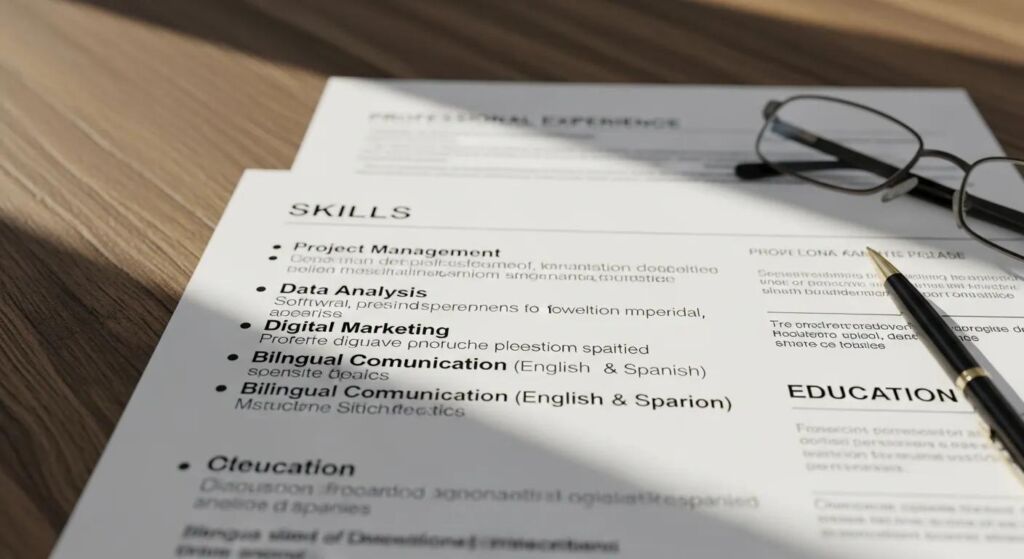
In contrast, a functional resume focuses on your skills and qualifications rather than your chronological work history. This format is beneficial for career changers or those with gaps in their employment history, as it allows you to highlight transferable skills relevant to the job you are applying for. A functional resume typically includes sections for contact information, a summary of qualifications, skills, and relevant experience grouped by skill category. By emphasizing your abilities, this format can help you stand out to employers looking for specific competencies.
Which Resume Format Is Best for Different Career Situations?
Choosing the right resume format depends on your unique career situation and the job you are targeting. Understanding which format works best for various scenarios can help you present your qualifications effectively.
Which Resume Format Works Best for Career Changers?
For individuals changing careers, a functional resume can be helpful to emphasize transferable skills and relevant experiences, even if they are not directly related to previous job titles. However, many career experts recommend a hybrid (combination) resume instead, as purely functional resumes are less favored by many employers and applicant tracking systems. A hybrid resume allows you to highlight skills while also providing a chronological work history, which can demonstrate your potential to employers in a different industry. Tailoring your resume to highlight skills that align with the new career path can significantly enhance your chances of being noticed.
What Is the Ideal Resume Format for Entry-Level and Experienced Job Seekers?
Entry-level job seekers may benefit from a hybrid resume format, which combines elements of both chronological and functional resumes. This format allows you to showcase relevant skills while also providing a brief work history, even if it includes internships or part-time positions. For experienced job seekers, a chronological resume is typically more effective, as it highlights a solid work history and career progression. By presenting your experiences in a clear and organized manner, you can demonstrate your qualifications and readiness for the next step in your career.
How Can You Optimize Each Resume Format for Applicant Tracking Systems?
Applicant tracking systems (ATS) are commonly used by employers to filter resumes before they reach human eyes. Optimizing your resume format for ATS can increase your chances of getting noticed.
What Are ATS Optimization Tips for Chronological Resumes?
To optimize a chronological resume for ATS, ensure that you use standard headings such as “Work Experience” and “Education.” Incorporate relevant keywords from the job description throughout your resume, particularly in the skills and experience sections. Avoid using images, graphics, or unusual fonts, as these can confuse the ATS. Additionally, save your resume in a compatible format, such as .docx or .pdf, to ensure it can be easily read by the system.
How to Make Functional and Hybrid Resumes ATS-Compatible?
For functional and hybrid resumes, focus on using clear headings and bullet points to organize your information. Include a skills section that lists relevant keywords and phrases from the job description. When detailing your experiences, use quantifiable achievements to demonstrate your impact. Like chronological resumes, save your functional or hybrid resume in a compatible format to ensure it passes through ATS filters successfully.
What Are Emerging Resume Format Trends in 2026 Beyond the Traditional Three?
As the job market evolves, new resume formats are emerging that cater to the changing needs of employers and job seekers. Staying informed about these trends can help you remain competitive in your job search.
How Does the Skills-First Resume Format Differ from Traditional Formats?
The skills-first resume format prioritizes showcasing skills and competencies over traditional work history. This format is particularly appealing to employers who value specific abilities and experiences over job titles. By presenting your skills prominently, you can capture the attention of recruiters looking for candidates with particular qualifications. This approach aligns with the growing trend of skills-based hiring, where employers focus on what candidates can do rather than where they have worked.
What Are the Benefits of ATS-Optimized and Visual-Strategic Resumes?
ATS-optimized and visual-strategic resumes offer several advantages in the modern job market. ATS-optimized resumes ensure that your qualifications are easily readable by applicant tracking systems, increasing your chances of being selected for interviews. Visual-strategic resumes, on the other hand, incorporate design elements that enhance readability and engagement for human reviewers. By combining these approaches, you can create a resume that stands out in both digital and physical formats, making a strong impression on potential employers.