Future of Work: Key 2026 Trends & Skills | RecruitEye, LLC
As we approach 2026, the landscape of work is evolving at an unprecedented pace, driven by technological advancements and shifting societal norms. This article explores the key trends shaping the future of work and the essential skills required to thrive in this new environment. Readers will gain insights into how hybrid work models, the gig economy, and artificial intelligence are transforming employment dynamics. Additionally, we will discuss the importance of digital literacy and soft skills in ensuring career success. By understanding these trends and skills, individuals can better prepare for the challenges and opportunities that lie ahead.
The future of work presents both challenges and opportunities, particularly as many individuals grapple with adapting to new work environments. This article will delve into the most impactful workforce trends, the skills that will be crucial for future jobs, the influence of artificial intelligence on job dynamics, and strategies to support employee wellbeing.
What Are the Most Impactful Workforce Trends Shaping 2026?
The workforce landscape is undergoing significant changes, influenced by various trends that are reshaping how we work. Understanding these trends is essential for both employers and employees to navigate the future effectively.
How Are Hybrid and Remote Work Models Transforming the Workplace?

Hybrid and remote work models are revolutionizing traditional workplace structures. These models offer flexibility, allowing employees to balance their professional and personal lives more effectively. Research indicates that companies adopting hybrid models report increased employee satisfaction and productivity. Furthermore, remote work has expanded the talent pool, enabling organizations to hire from a global workforce, thus enhancing diversity and inclusion.
What Role Does the Gig Economy Play in Modern Employment?
The gig economy is increasingly becoming a significant component of the modern workforce. This trend reflects a shift towards freelance and contract work, providing individuals with greater autonomy and flexibility. Estimates suggest that around 30-40% of the U.S. workforce engages in some form of gig work, with projections indicating continued growth globally. This shift not only changes job structures but also necessitates new approaches to benefits and job security for gig workers.
Which Skills Will Be Crucial for Future Jobs in 2026?
As the job market evolves, certain skills will become increasingly vital for success. Identifying and developing these skills is essential for individuals aiming to remain competitive in their careers.
Why Is Digital Literacy Essential for the Future Workforce?
Digital literacy is no longer optional; it is a fundamental requirement for the future workforce. As technology continues to permeate every aspect of work, individuals must be proficient in using digital tools and platforms. This skill set enables employees to adapt to new technologies, collaborate effectively, and enhance productivity. Organizations that prioritize digital literacy training will likely see improved performance and innovation.
How Do Soft Skills Like Adaptability and Emotional Intelligence Enhance Career Success?
Soft skills, including adaptability and emotional intelligence, are increasingly recognized as critical for career advancement. These skills enable individuals to navigate complex workplace dynamics, foster collaboration, and respond effectively to change. Studies show that employees with strong soft skills often outperform their peers in team settings and leadership roles. As workplaces become more interconnected, the ability to communicate and empathize will be invaluable.
The importance of these human-centric skills is further emphasized by studies focusing on professional competency development.
Soft Skills for Career Success & Human Capital
O objetivo do artigo é analisar o desenvolvimento da competência profissional de liderança por meio do desenvolvimento de soft skills em estudantes de universidades russas de engenharia a exemplo da Universidade Politécnica de Moscou. A parte mais exigida e dinâmica do mercado de trabalho é atualmente representada por especialistas em engenharia. No entanto, o crescimento profissional e de carreira de sucesso, bem como o desenvolvimento eficaz do capital humano como principal recurso do desenvolvimento inovador da sociedade moderna, requer uma combinação de habilidades de engenharia (hard skills) e humanitárias (soft skills) em um especialista.
Human capital development: development of professional competencies through soft skills, 2021
| Skill | Importance | Future Demand |
|---|---|---|
| Digital Literacy | Essential for navigating technology | High |
| Adaptability | Key for thriving in changing environments | High |
| Emotional Intelligence | Crucial for teamwork and leadership | High |
How Is Artificial Intelligence Impacting Jobs and Workforce Dynamics?
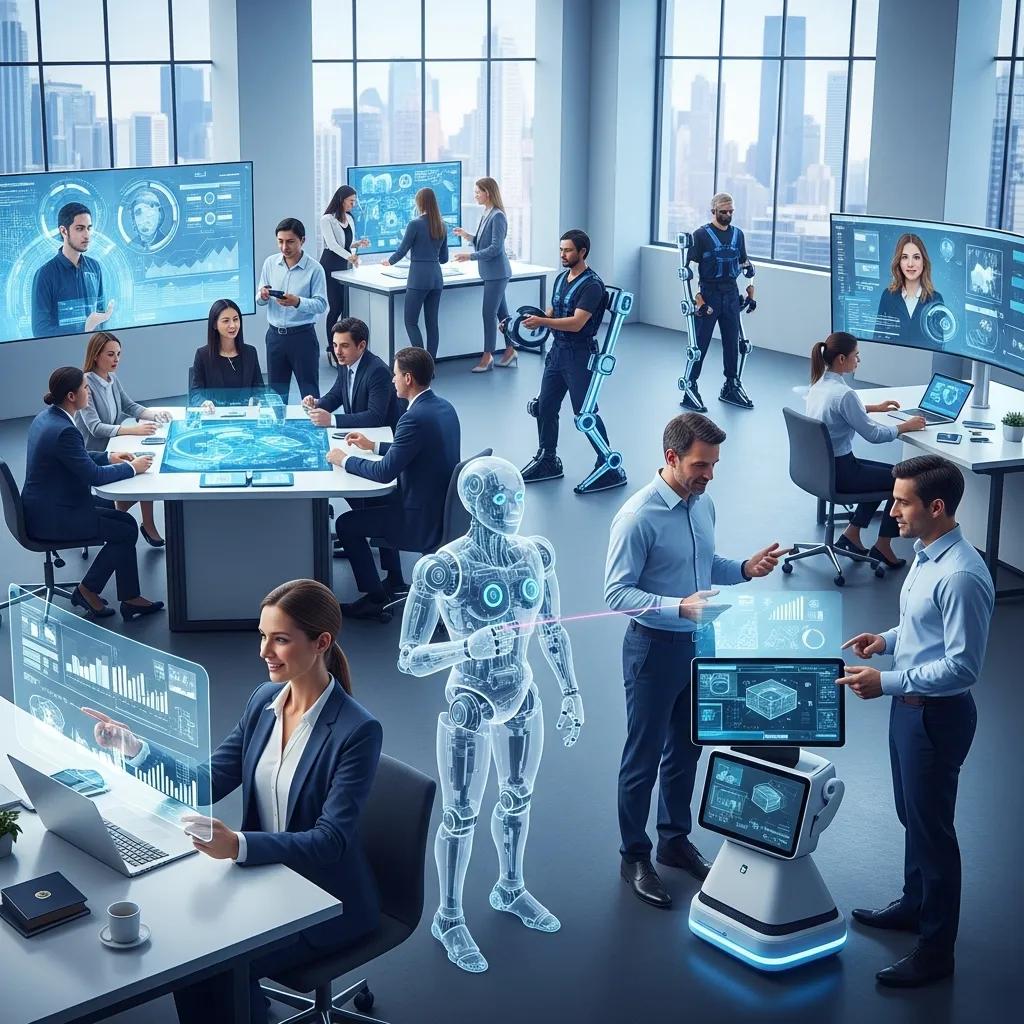
Artificial intelligence (AI) is reshaping the workforce by automating tasks and creating new job opportunities. Understanding the implications of AI on employment is crucial for workers and employers alike.
Indeed, AI’s transformative power extends significantly into human resource management, optimizing various talent and performance aspects.
AI’s Impact on HR: Optimizing Talent & Performance
The advent of artificial intelligence (AI) and advanced computing systems is revolutionizing industries across the globe, and the field of human resource (HR) management is no exception. Traditional HR operations have been labor-intensive and often subject to human error and bias. However, AI-driven systems are now providing the tools to automate repetitive tasks, analyze vast amounts of employee data, and make predictive decisions that optimize talent acquisition, performance management, employee engagement, and retention strategies.
Optimizing Human Resource Operations through AI-Driven Advanced Computing Systems, 2023
What Jobs Are Most Affected by AI and Automation?
AI and automation are transforming various industries, with certain jobs facing significant changes. Roles that involve repetitive and routine tasks are particularly vulnerable to automation. However, AI also creates new opportunities in fields such as data analysis, AI development, and machine learning. Workers must be prepared to adapt to these changes by acquiring new skills relevant to emerging job roles.
How Can Workers Prepare for AI-Driven Recruitment and Job Changes?
To thrive in an AI-driven job market, workers should focus on continuous learning and skill development. Networking and building professional relationships can also enhance job prospects in an evolving landscape. Additionally, optimizing resumes to highlight relevant skills and experiences will be crucial in navigating AI-driven recruitment processes.
What Strategies Support Employee Wellbeing in the Evolving Work Environment?
As work environments evolve, prioritizing employee wellbeing becomes essential for organizational success. Companies must implement strategies that support mental health and work-life balance.
How Does Hybrid Work Influence Mental Health and Work-Life Balance?
Hybrid work models can positively impact mental health by providing employees with flexibility and autonomy. However, they can also blur the lines between work and personal life, leading to potential burnout. Organizations should promote clear boundaries and encourage employees to take breaks and disconnect from work to maintain a healthy work-life balance.
Further research highlights the dual nature of hybrid work, offering benefits while also posing challenges to employee well-being.
Hybrid Work: Productivity, Burnout, and Well-being
Study examined the impact of hybrid work conditions on employee productivity, digital burnout, mental health outcomes, and organizational well-being support among professionals across technology, education, and finance sectors. Drawing on responses from 320 participants, the results revealed that hybrid work significantly improved flexibility, focus, and goal achievement while reducing commuting-related fatigues. However, a considerable proportion of employees reported moderate to high levels of digital burnout, primarily linked to mental exhaustion, difficulty disconnecting, and reduced motivation for online meetings.
… well-being in hybrid work environments: Balancing productivity, preventing digital burnout, and promoting mental health in the era of remote and flexible work, A Mateen, 2025
What Financial and Emotional Wellness Programs Are Emerging?
Emerging wellness programs focus on both financial and emotional support for employees. These programs may include financial planning resources, mental health support, and stress management workshops. By investing in employee wellbeing, organizations can enhance job satisfaction and retention rates.
In summary, navigating the future of work requires an understanding of key trends and the development of essential skills. By embracing digital literacy, soft skills, and adapting to the influence of AI, individuals can position themselves for success in an evolving job market. Additionally, prioritizing employee wellbeing will be crucial for organizations aiming to foster a productive and engaged workforce.