Top ATS Resume Mistakes to Avoid for Hiring Success RecruitEye, LLC
Navigating the job market can be challenging, especially when it comes to crafting a resume that stands out. Many job seekers unknowingly make mistakes that hinder their chances of passing through Applicant Tracking Systems (ATS). This article will provide essential tips on avoiding common ATS resume mistakes, ensuring your resume is optimized for success. By understanding the intricacies of ATS and how they parse resumes, you can significantly improve your chances of getting hired. We will explore common ATS resume mistakes, formatting guidelines, keyword optimization strategies, and proactive measures to ensure your resume passes ATS filters.
What Are the Most Common ATS Resume Mistakes to Avoid?
Understanding the common mistakes that can affect your resume’s performance in ATS is crucial for job seekers. Many applicants overlook the importance of formatting and keyword usage, which can lead to their resumes being filtered out before reaching human eyes.
How Does Complex Formatting Affect ATS Resume Parsing?
Complex formatting can severely hinder ATS parsing capabilities. Applicant Tracking Systems often struggle with intricate designs, such as tables, graphics, and unusual fonts. These elements can confuse the software, leading to misinterpretation of your information. For optimal ATS compatibility, it is advisable to use a simple, clean layout with standard fonts like Arial, Calibri, or Times New Roman. This ensures that your resume is easily readable by the ATS, increasing the likelihood of passing the initial screening.
Why Are Missing or Misused Keywords Harmful for ATS Screening?
Keywords play a vital role in ATS screening, as they help the system identify relevant qualifications and experiences. Missing or misused keywords can result in your resume being overlooked. To avoid this, carefully analyze the job description and incorporate relevant keywords naturally throughout your resume. This practice not only enhances your chances of passing the ATS but also demonstrates your alignment with the job requirements.
How Can You Format Your Resume to Be ATS Friendly?
Formatting your resume correctly is essential for ensuring it is ATS-friendly. Adhering to specific guidelines can significantly improve your chances of getting noticed by recruiters.
Which Fonts and Layouts Are Best for ATS Compatibility?
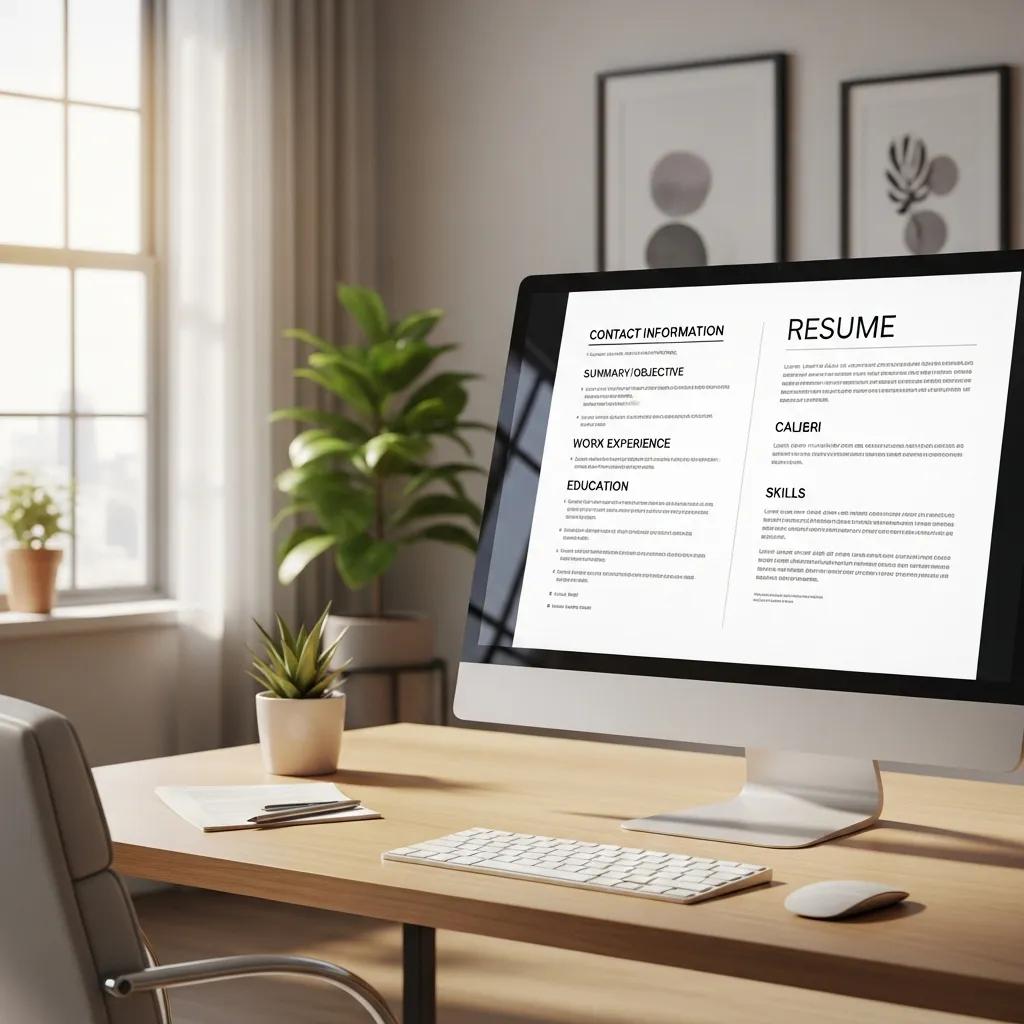
When selecting fonts and layouts for your resume, opt for standard, easy-to-read fonts such as Arial, Calibri, or Times New Roman. Avoid using decorative fonts or excessive styling, as these can confuse ATS software. A straightforward layout with clear headings and bullet points will enhance readability and ensure that your key information is easily accessible.
What File Types Should You Use for ATS Submission?
The file type you choose for your resume submission can impact its compatibility with ATS. The most commonly accepted formats are .docx and .pdf. However, it is essential to check the job posting for specific instructions regarding file types. While .docx files are generally the safest choice for ATS parsing, many modern ATS can also accurately parse well-formatted PDFs. Submitting your resume in the correct format ensures that the ATS can accurately parse your information without any issues.
How Do You Optimize Keywords to Beat Applicant Tracking Systems?
Optimizing your resume with the right keywords is crucial for beating ATS filters. This process involves identifying and integrating job-specific keywords effectively.
How to Identify and Integrate Job-Specific Keywords Effectively?

To identify job-specific keywords, carefully review the job description and highlight essential skills, qualifications, and experiences. Incorporate these keywords naturally into your resume, particularly in the skills and experience sections. This strategy not only helps your resume pass ATS but also showcases your suitability for the position.
Emerging technologies, such as Large Language Models, offer sophisticated ways to further refine keyword alignment and overall ATS compatibility.
LLM for ATS Resume Optimization & Keyword Alignment
The modern hiring process increasingly relies on Application Tracking Systems (ATS) to sort and evaluate resumes based on organizational preferences. However, many skilled and competent candidates fail to craft resumes that are ATS optimized, leading to missed opportunities. This study explores the potential of Large Language Models (LLMs) to enhance ATS compatibility in resumes. Using Natural Language Processing (NLP) techniques, LLMs analyze resumes to identify errors, recommend suitable keywords, enhance semantic alignment, and format content to meet ATS requirements. Evaluation results demonstrate that imple menting the model’s suggested changes significantly improves ATS scores. This ap proach bridges the gap between job seekers and automated recruiting systems, empowering individuals to enhance their resumes effectively. By leveraging LLMs, job seekers gain a powerful tool to align their resumes with employer expectations, increasing their chances of success in the hiring
Optimizing Resume Design for ATS Compatibility: A Large Language Model Approach, 2024
What Are the Best Practices to Avoid Keyword Stuffing?
While incorporating keywords is essential, overloading your resume with them can lead to keyword stuffing, which ATS may penalize. To avoid this, focus on maintaining a natural flow in your writing. Use variations of keywords and ensure they fit seamlessly within the context of your sentences. This approach enhances readability while still optimizing your resume for ATS.
What Are Proactive Strategies to Ensure Your Resume Passes ATS Filters?
Implementing proactive strategies can significantly enhance your resume’s chances of passing ATS filters. These strategies involve utilizing tools and maintaining consistency in your resume’s structure.
How to Use ATS Resume Scanners and Tools for Optimization?
Utilizing ATS resume scanners can provide valuable insights into how your resume performs against ATS criteria. These tools analyze your resume for keyword usage, formatting issues, and overall compatibility. By using these scanners before submitting your application, you can make necessary adjustments to improve your chances of passing ATS filters.
Beyond manual checks, advanced AI-powered applications are revolutionizing resume creation by integrating real-time ATS optimization and content suggestions.
AI-Powered ATS Resume Optimization for Job Seekers
The Comprehensive Resume Builder Application is an advanced online tool designed to streamline and enhance resume creation for job seekers in a competitive market. It addresses the limitations of existing systems, such as limited templates, lack of Applicant Tracking System (ATS) compatibility, and insufficient customization options. The proposed system offers over 100 unique templates, real-time previews, and multi-format export options (PDF, Word). Key features include AI-powered content suggestions, ATS optimization, and integration with LinkedIn for seamless data import. Performance benchmarks demonstrate high user satisfaction and improved ATS parsing efficiency.
Revolutionizing Resume Building with Intelligent ATS Optimization To Boost Career Development And Employability, TK Bhimsingh, 2025
Why Is Consistent Section Headings and Contact Information Placement Important?
Consistency in section headings and contact information placement is crucial for ATS compatibility. Ensure that your contact information is prominently displayed at the top of your resume, followed by clearly labeled sections such as “Experience,” “Education,” and “Skills.” This structure allows ATS to easily navigate your resume, increasing the likelihood of your application being considered.
Different ATS resume mistakes can be addressed through specific strategies and solutions. Below is a comparison of common ATS mistakes and their corresponding solutions.
| ATS Resume Mistake | Description | Solution |
|---|---|---|
| Complex Formatting | Use of tables, graphics, or unusual fonts | Stick to a simple layout with standard fonts |
| Missing Keywords | Lack of relevant keywords from job description | Analyze job postings and incorporate keywords naturally |
| Incorrect File Type | Submitting in an unsupported format | Use .docx or .pdf formats as specified in job postings |
| Inconsistent Headings | Lack of clear section headings | Use consistent and clear headings for each section |
By understanding these common mistakes and implementing the suggested solutions, job seekers can enhance their resumes’ compatibility with ATS, ultimately increasing their chances of landing interviews and job offers.