Mastering Common Interview Questions & Answers: Essential Tips and Strategies for Success
Navigating the job interview process can be daunting, especially when faced with common interview questions that can determine your future career path. This article aims to equip you with essential strategies for mastering these questions, ensuring you present yourself confidently and effectively. By understanding the nuances of typical interview inquiries, you can tailor your responses to highlight your strengths and suitability for the role. Many candidates struggle with articulating their experiences and qualifications, which can lead to missed opportunities. However, with the right preparation and techniques, you can transform your interview performance. We will explore common interview questions, the STAR method for behavioral questions, effective preparation strategies, and the importance of follow-up after interviews.
How to Confidently Master Common Interview Questions – RecruitEye, LLC
Understanding the most frequently asked interview questions is crucial for effective preparation. Common questions often include inquiries about your strengths, weaknesses, and experiences. Tailoring your answers to reflect your skills and the job requirements can significantly enhance your chances of success.
How to Effectively Answer 'Tell Me About Yourself' and Similar Introductory Questions
When responding to “Tell me about yourself,” structure your answer to include a brief professional background, key achievements, and your current career objectives. This approach allows you to present a coherent narrative that aligns with the job you are applying for. Avoid personal details that do not pertain to your professional life, and focus on aspects that demonstrate your qualifications and enthusiasm for the role.
What Are Good Strengths and Weaknesses to Share in an Interview?
Identifying strengths and weaknesses is essential for interview success. Good strengths to share include skills that are relevant to the job, such as problem-solving abilities or teamwork. When discussing weaknesses, frame them positively by mentioning how you are working to improve them. For instance, you might say, “I tend to be a perfectionist, but I am learning to balance quality with efficiency.”
How Can You Master Behavioral Interview Questions Using the STAR Method?
Behavioral interview questions often require candidates to provide examples of past experiences. The STAR method—Situation, Task, Action, Result—provides a structured way to answer these questions effectively.
What Is the STAR Method and How Does It Structure Your Answers?
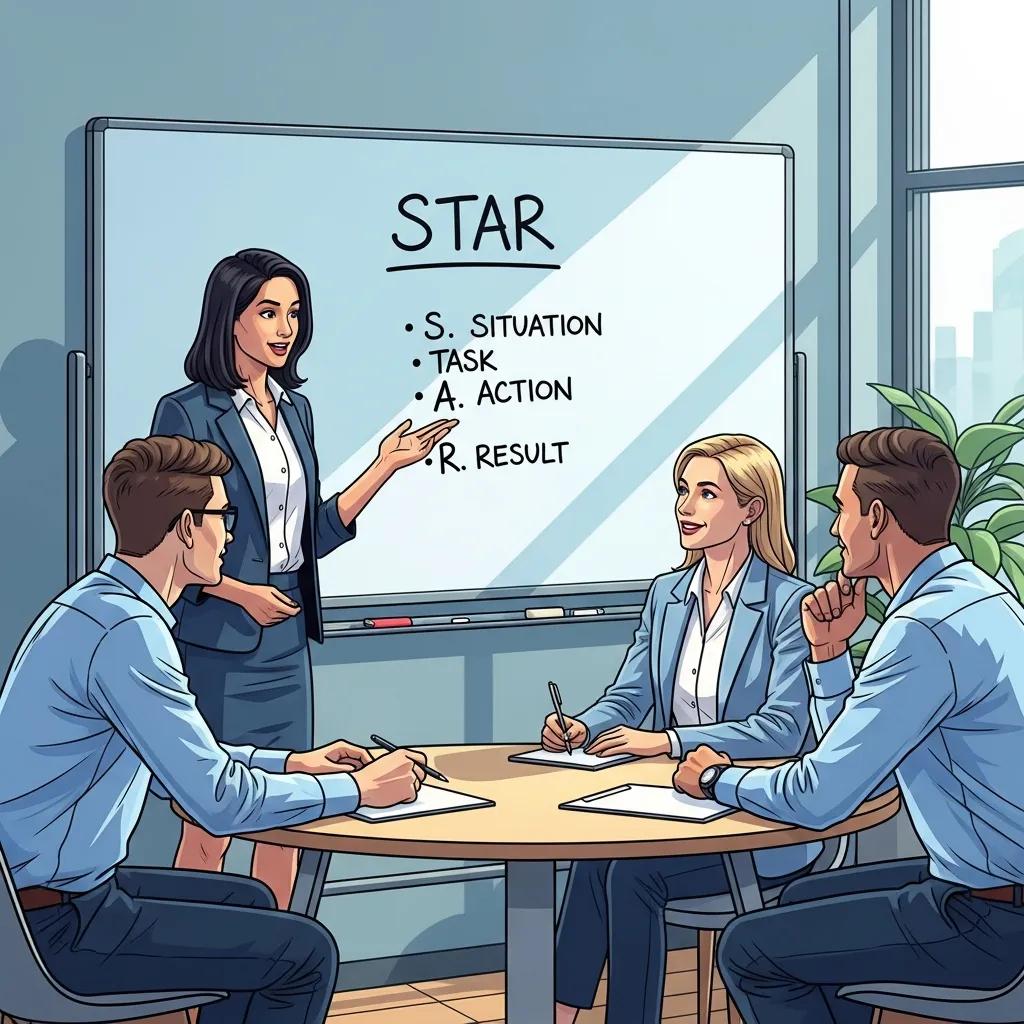
The STAR method helps you articulate your experiences clearly. Start by describing the Situation and Task you faced, then explain the Actions you took to address the challenge, and finally, share the Results of your efforts. This method not only showcases your problem-solving skills but also highlights your ability to reflect on your experiences.
Can You See Examples of STAR Method Answers for Leadership and Teamwork Questions?
For example, if asked about a leadership experience, you might say: “In my previous role (Situation), I was tasked with leading a project (Task). I organized a team meeting to delegate responsibilities and set deadlines (Action), which resulted in completing the project ahead of schedule and receiving positive feedback from management (Result).” This structured response demonstrates your leadership capabilities effectively.
What Are Effective Job Interview Preparation Strategies to Boost Your Confidence?
Preparation is key to feeling confident during interviews. By researching the company and practicing common questions, you can present yourself as a knowledgeable and enthusiastic candidate.
How to Research Company Culture and Role Requirements Before the Interview
Understanding the company culture and role requirements can significantly impact your interview performance. Utilize resources such as the company website, social media, and employee reviews to gather insights. This knowledge allows you to tailor your responses and demonstrate your alignment with the company’s values.
What Are Best Practices for Virtual Interview Etiquette and Technical Setup?
In today’s digital age, virtual interviews are increasingly common. Ensure you have a quiet, well-lit space for the interview, and test your technology beforehand. Dress professionally, maintain eye contact by looking at the camera, and engage actively with the interviewer to create a positive impression.
How Should You Follow Up After an Interview to Improve Your Chances?
Following up after an interview is a crucial step that many candidates overlook. A thoughtful follow-up can reinforce your interest in the position and keep you top of mind for the interviewer.
Why Is Sending a Thank-You Email Important and How Should You Write It?
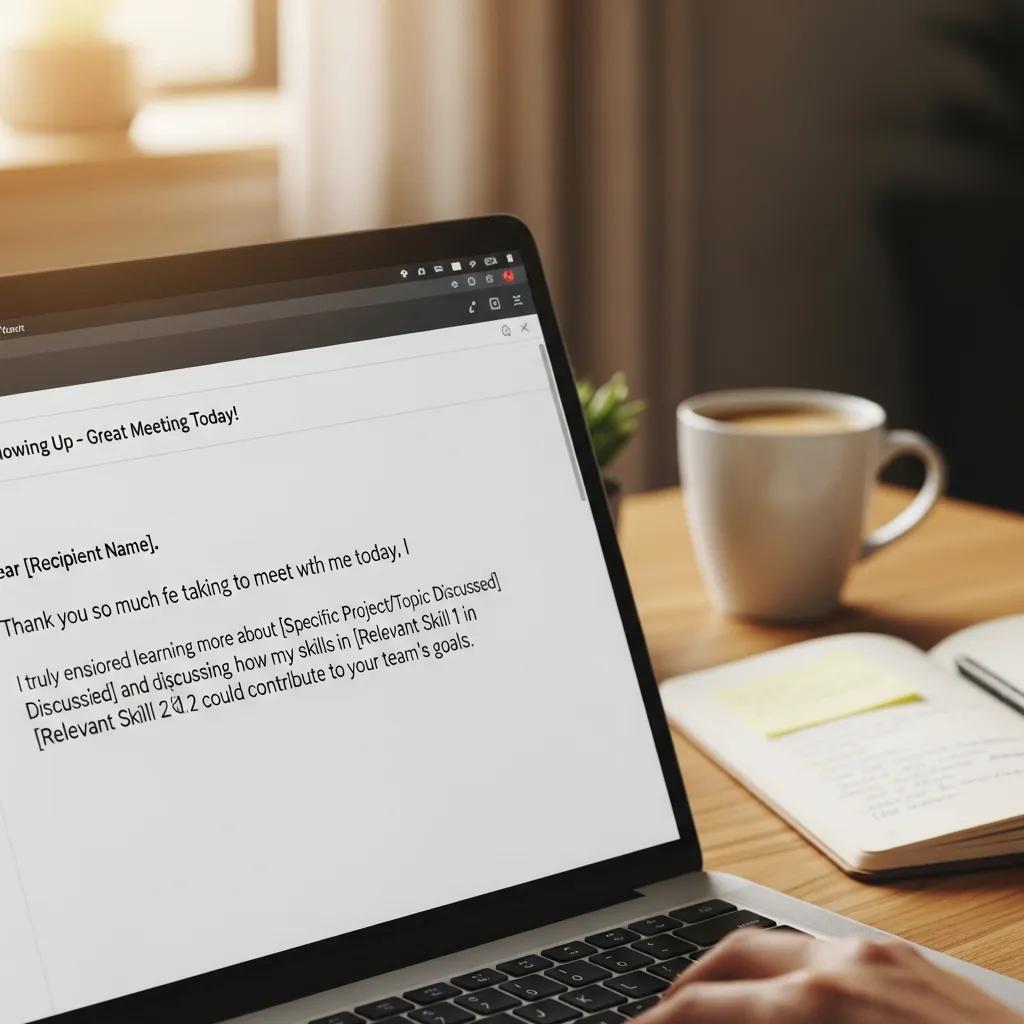
Sending a thank-you email within 24 hours of your interview is recommended. In your email, express gratitude for the opportunity, reiterate your interest in the position, and briefly mention a key point from the interview that resonated with you. This not only shows professionalism but also reinforces your enthusiasm for the role.
What Are Smart Strategies for Job Offer Negotiation and Handling Rejection?
Negotiating a job offer can be daunting, but it’s important to advocate for yourself. Research industry standards for salary and benefits to ensure you are informed during negotiations. If faced with rejection, respond graciously and ask for feedback. This can provide valuable insights for future interviews and demonstrate your willingness to learn and grow.