Entry-Level Cover Letter Examples & Formatting Tips | RecruitEye, LLC
Crafting an entry-level cover letter can be a daunting task for new graduates stepping into the job market. This essential document serves as a personal introduction to potential employers, highlighting your skills, experiences, and enthusiasm for the position. In this article, you will learn how to effectively write and format your first job application cover letter, ensuring it complements your resume and stands out to hiring managers. Many graduates struggle with articulating their qualifications and making a memorable impression. However, a well-structured cover letter can bridge this gap, showcasing your unique attributes and eagerness to contribute to a company. We will explore the importance of cover letters, key components to include, examples tailored to various industries, common mistakes to avoid, and tips for making your application shine.
What Is an Entry-Level Cover Letter and Why Is It Important?
An entry-level cover letter is a document that accompanies your resume when applying for a job, specifically designed for individuals who are new to the workforce or have limited professional experience. It serves to introduce you to potential employers, providing context for your resume and highlighting your relevant skills and experiences. The importance of a cover letter lies in its ability to convey your personality and enthusiasm, which a resume alone cannot achieve. It complements your resume by offering a narrative that connects your academic achievements and transferable skills to the job requirements.
Emphasizing the importance of a cover letter in distinguishing new graduates, one resource highlights how these documents are crucial for showcasing unique value.
Marketing Yourself as a New Grad: Cover Letters & Value Proposition
This session covers several essential tools that new graduates should use to showcase to potential employers the value they bring to a veterinary position. The importance of possessing skills that go beyond being an excellent veterinarian will be highlighted as a pathway towards achieving differentiation in the self-marketing process.
Marketing yourself as a new grad: ePortfolios, cover letters and CV/resumé, 2023
How Does a Cover Letter Complement Your Resume?
A cover letter enhances your resume by providing a narrative that explains your qualifications in a more personal manner. While a resume lists your experiences and skills, a cover letter allows you to elaborate on specific achievements and how they relate to the job you are applying for. For instance, you can highlight a project from your academic career that demonstrates your problem-solving abilities, which may not be fully captured in your resume. This narrative approach helps hiring managers see the potential in your application beyond just the facts.
Why Do Hiring Managers Value Personalized Cover Letters?
Hiring managers appreciate personalized cover letters because they reflect the applicant’s effort and genuine interest in the position. A tailored cover letter demonstrates that you have researched the company and understand its culture and values. According to multiple career advice sources, candidates who submit personalized cover letters are more likely to be considered for interviews, as these letters indicate a proactive approach and a strong desire to contribute to the organization. Personalization can include mentioning specific projects or values of the company that resonate with you, making your application more memorable.
This strategic approach to presenting oneself is often referred to as impression management, a key factor in how employers evaluate applicants.
Impression Management in Cover Letters for Job Applications
Employers should be aware that resumes and cover letters contain IM tactics that may influence applicant evaluation. In addition, employment training programs might communicate the benefits of using ingratiation and lower intensity self-promotion, while emphasizing the importance of accurately conveying one’s qualifications.
Impression management use in resumes and cover letters, M Waung, 2017
How to Write an Effective Entry-Level Cover Letter for New Graduates
Writing an effective entry-level cover letter involves several key components that work together to create a compelling narrative. Understanding these components will help you structure your letter effectively and convey your qualifications clearly.
What Are the Key Components of a Cover Letter?
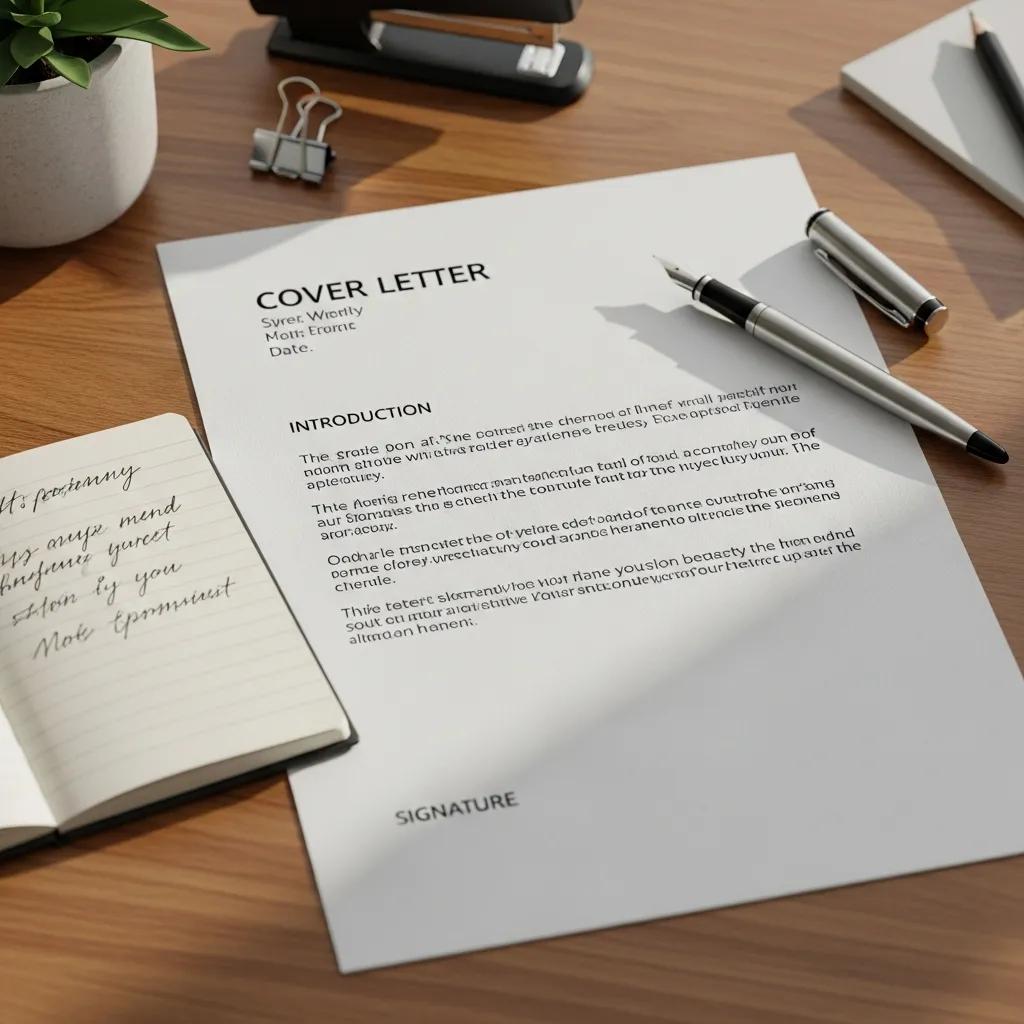
An effective cover letter typically includes the following key components:
- Header: Your contact information, the date, and the employer’s contact information.
- Introduction: A brief introduction that states the position you are applying for and how you found out about it.
- Body: This section should highlight your relevant skills, experiences, and achievements, linking them to the job requirements.
- Closing: A strong closing statement that reiterates your interest in the position and invites further communication.
Each of these components plays a crucial role in presenting a professional image and making a strong first impression.
How to Highlight Transferable Skills and Academic Achievements in the Body
When writing the body of your cover letter, it is essential to highlight your transferable skills and academic achievements effectively. Start by identifying the skills that are relevant to the job description. For example, if the job requires strong communication skills, you might mention a group project where you successfully led a team. Additionally, link your academic achievements to the job requirements by discussing relevant coursework or projects that demonstrate your capabilities. This approach not only showcases your qualifications but also illustrates your potential to contribute to the company.
Can You See Examples of Entry-Level Cover Letters for Different Industries?
Seeing examples of entry-level cover letters tailored to various industries can provide valuable insights into how to structure your own. Different fields may require different emphases, so understanding these nuances is crucial.
What Does a Marketing Graduate Cover Letter Look Like?
A marketing graduate cover letter should focus on creativity and relevant coursework. For instance, you might start by discussing a marketing campaign you developed during your studies, highlighting your ability to think strategically and creatively. Additionally, mention any internships or volunteer experiences that provided practical marketing skills, such as social media management or market research. This approach not only demonstrates your knowledge of marketing principles but also your hands-on experience in the field.
How to Write a Tech Entry-Level Cover Letter Example?
In a tech entry-level cover letter, it is important to emphasize technical skills and relevant projects. Begin by mentioning specific programming languages or technologies you are proficient in, and provide examples of projects where you applied these skills. For instance, if you developed a mobile app as part of a class project, describe the app’s functionality and your role in its development. This not only showcases your technical abilities but also your problem-solving skills and creativity in a practical context.
What Are Common Mistakes New Graduates Should Avoid in Cover Letters?
New graduates often make several common mistakes in their cover letters that can hinder their chances of landing an interview. Being aware of these pitfalls can help you craft a more effective application.
Why Should You Avoid Generic or Repetitive Content?
Using generic or repetitive content in your cover letter can make your application blend in with others, failing to capture the attention of hiring managers. Avoid phrases that could apply to any job or company, and instead focus on specific details that relate to the position you are applying for. Personalization is key; ensure that each cover letter is tailored to the job and company, highlighting why you are a good fit for that specific role.
How Long Should Your Entry-Level Cover Letter Be?
An entry-level cover letter should ideally be one page long, with a word count of around 250-400 words. This length allows you to provide enough detail about your qualifications without overwhelming the reader. Keep your paragraphs concise and focused, ensuring that each sentence adds value to your application. A well-structured cover letter that respects this length will demonstrate your ability to communicate effectively and professionally.